
Mount Rinjani Packing Guide 2026: What You Really Need for a Safe Trek
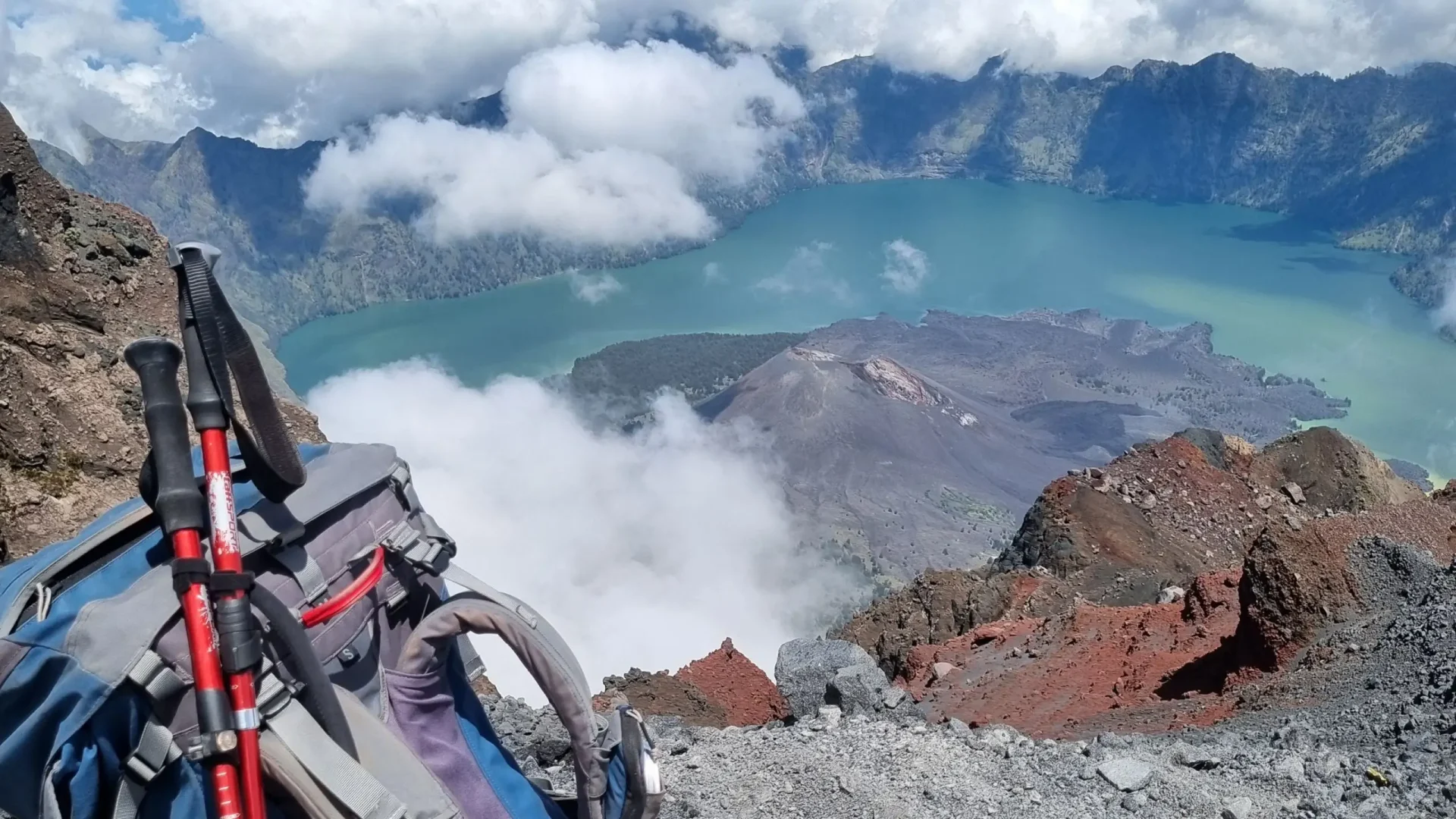
Mount Rinjani Packing Guide 2026: Packing properly for Mount Rinjani can make the difference between a challenging but rewarding experience, and a long, uncomfortable two days on the mountain. At 3,726 metres, temperatures at the summit can drop close to freezing before sunrise, while daytime sections of the trail are hot and exposed. The terrain includes open savannah, steep volcanic scree, forest tracks, and dusty descents.
This packing advice applies to all of our Mount Rinjani trekking packages, including summit and crater rim routes.
Essential Clothing for Mount Rinjani
Footwear: The Most Important Item
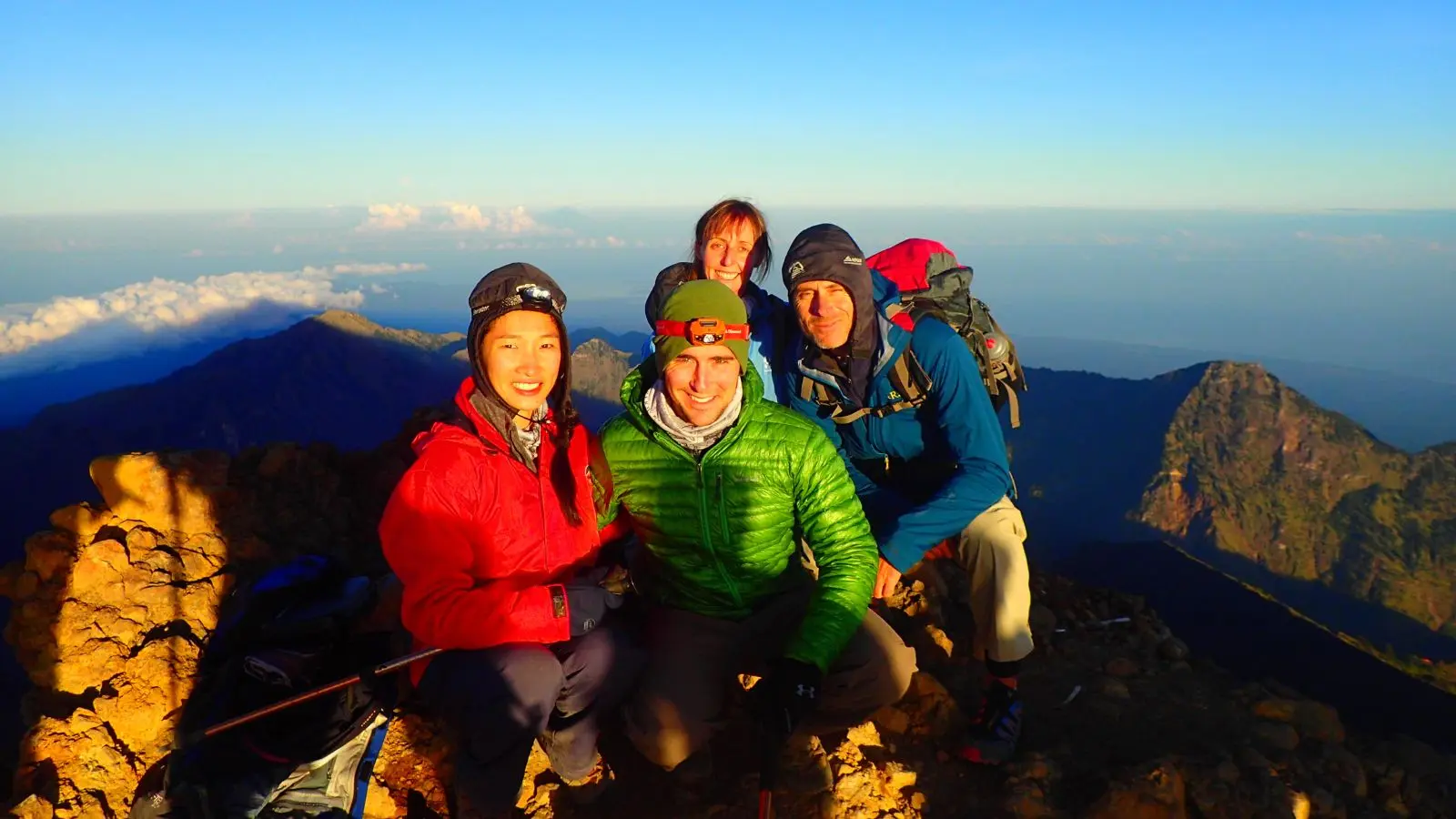
The summit trail involves loose volcanic scree and steep descent sections, particularly on Day 2 when fatigue sets in. Proper footwear protects your ankles, improves grip, and reduces blister risk.
We recommend:
- Broken-in hiking boots with good ankle support
- OR quality trail shoes (experienced hikers only)
- Moisture-wicking hiking socks (bring a spare pair)
- Avoid brand-new boots – Rinjani is not the place to “break them in.”
Warm Layers for the Summit and Crater Rim Campsite
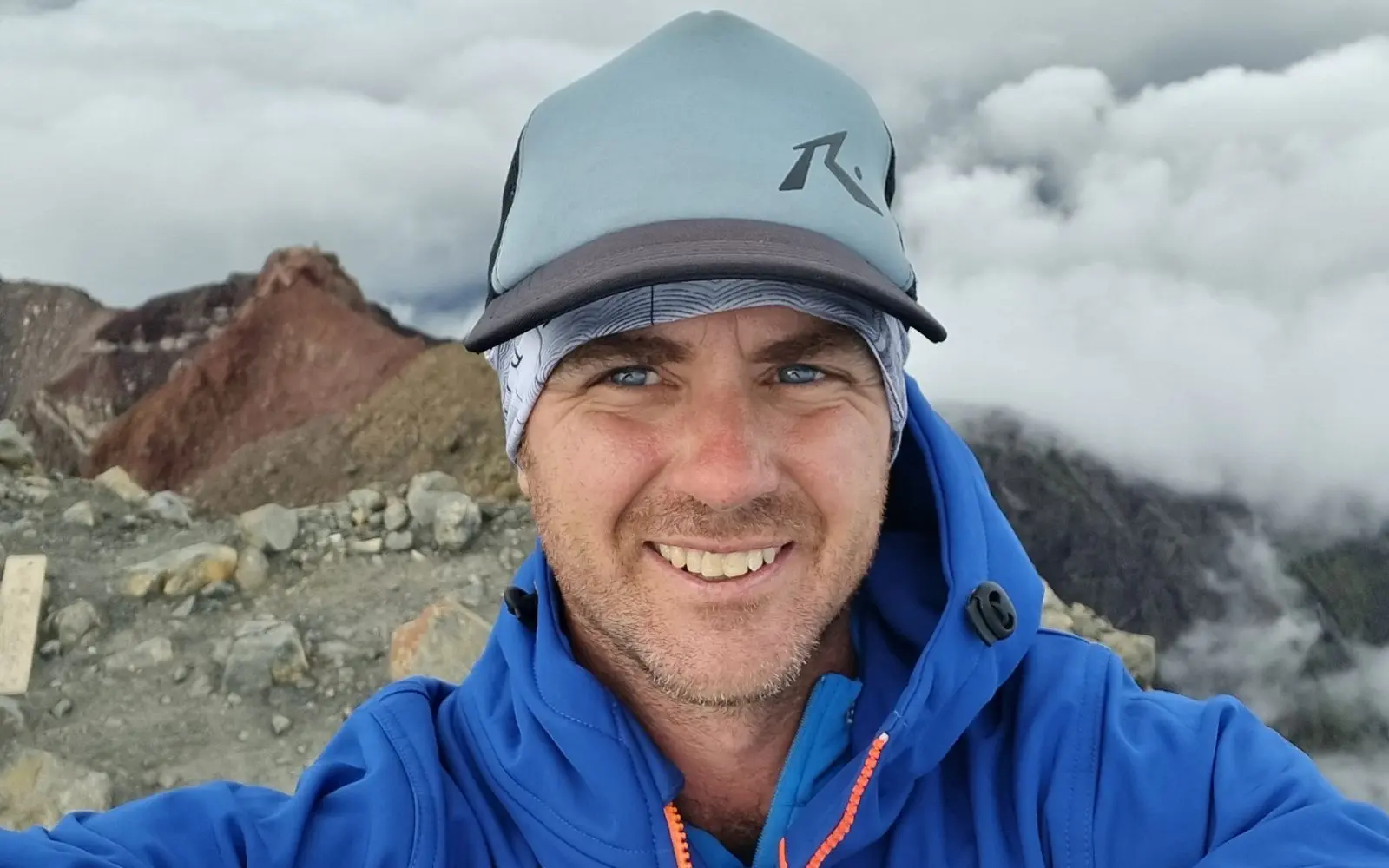
Summit attempts typically begin around 2:00 AM, but it’s important to understand that temperatures drop significantly even before then.
At the Sembalun Crater Rim campsite (around 2,600m), evenings can become cold shortly after sunset. Once the sun disappears and wind picks up across the exposed ridgeline, it can feel surprisingly chilly -even during dry season.
You’ll spend several hours at camp before sleeping, and again before the early morning summit push, so proper layering is essential.
- Thermal base layer (top and bottom)
- Fleece or mid-layer
- Insulated jacket
- Waterproof outer shell (for wind protection)
- Warm hat
- Gloves
It is better to start warm and remove layers later than risk getting cold and uncomfortable at camp. Being properly dressed in the evening also helps conserve energy for the early morning summit climb.
Wet-Weather Gear (Rain Protection)
Weather on Mount Rinjani can change quickly. Even in dry season, mist and light rain are possible.
Bring:
- Waterproof jacket
- Waterproof trousers or lightweight poncho
Staying dry helps prevent hypothermia at altitude.
Essential Equipment
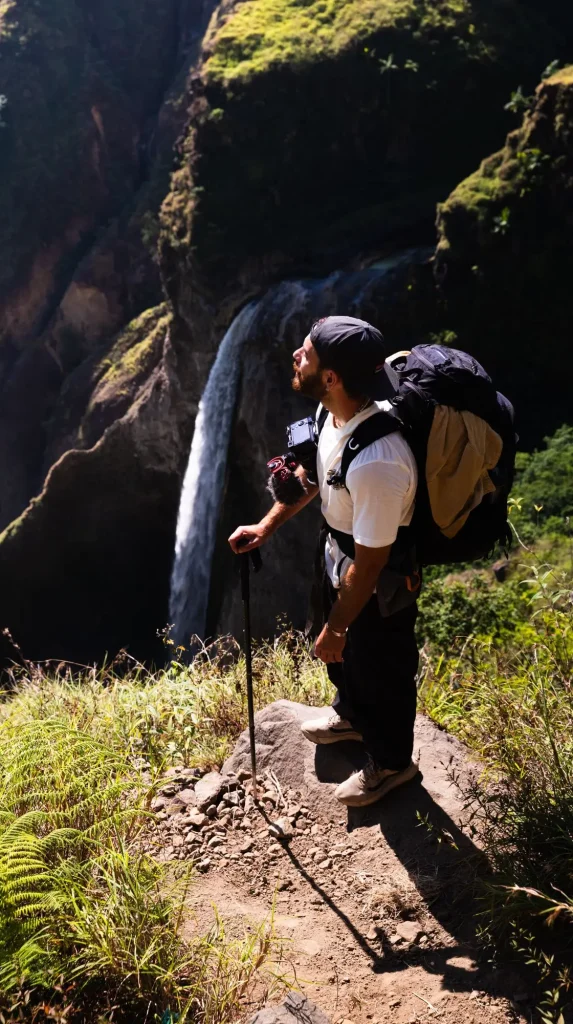
Beyond clothing, the following items are strongly recommended:
- 40L backpack (ideal size for 2D1N or 3D2N trek)
- Hydration bladder or camelback
- Head torch (with spare batteries)
- Trekking poles
- Small dry bag
- Sunhat
- High-SPF sunscreen
- Flip-flops or sandals for campsite
- Sleeping bag liner
- Dust mask (useful on descent)
- Swimming costume & towel (for lake and hot springs)
Trekking poles are especially helpful on the long downhill return, reducing knee strain on loose terrain.
Personal First Aid Kit: What We Recommend
Our guides carry a group first aid kit, but every trekker should bring a small personal kit tailored to their needs.
- Personal medication (bring extra)
- Adhesive bandages
- Blister pads (e.g. Compeed)
- Micropore tape
- Antiseptic wipes or cream
- Paracetamol and/or ibuprofen
- Anti-diarrhoea tablets
- Electrolyte sachets or tablets
- Antihistamines
- Lip balm with SPF
Blisters and dehydration are the most common issues on Rinjani. Pack everything in a small waterproof pouch.
What We Provide (So You Don’t Overpack)
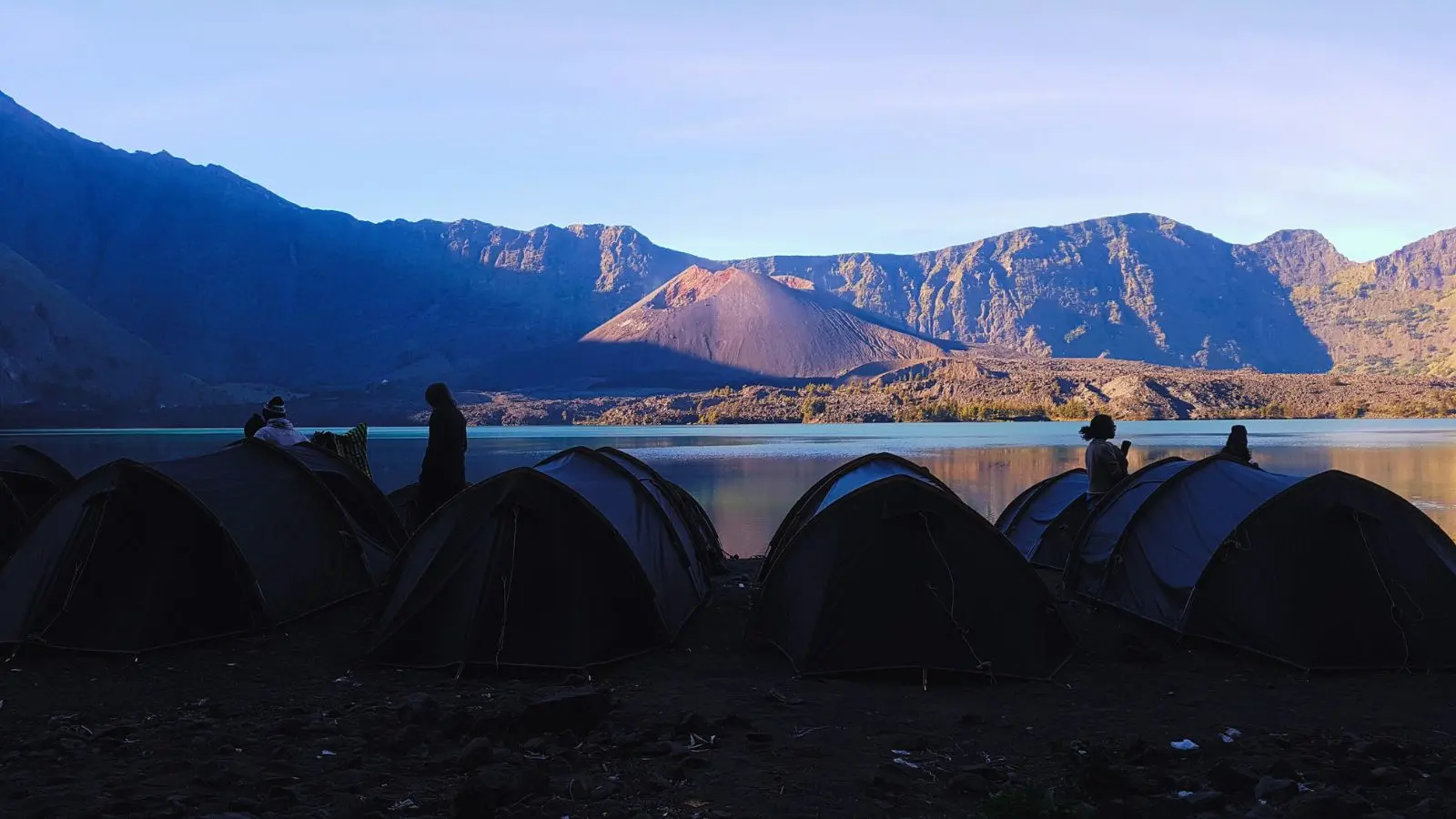
All of our Mount Rinjani trekking packages include a dedicated guide and porter team who carry all camping and cooking equipment, as well as food and drinking water for the duration of the trek.
This means you do not need to carry tents, sleeping mats, cooking gear, or heavy supplies on your back.
Our porter team carries:
- Tents and campsite setup
- Sleeping mats
- Cooking equipment
- All meals and snacks
- Drinking water for the entire trek
- Group first aid equipment
As a trekker, you only need to carry a small daypack containing your personal items – such as extra layers, sunscreen, water bottle or hydration bladder, head torch, and any personal medication.
For most people, a 30–40 litre backpack is more than sufficient.
We design our treks so that you can focus on walking safely and enjoying the experience, rather than managing heavy loads. Keeping your pack light reduces fatigue, protects your knees on the descent, and makes the overall trek significantly more comfortable.
Our porter system has been refined over more than a decade of guiding on Mount Rinjani, ensuring both efficiency and safety while maintaining responsible environmental practices.
Equipment Rental & Backup Gear
We maintain a small stock of essential backup items in Senaru, including insulated jackets, gloves, warm hats, and trekking poles. These can be loaned to trekkers if needed.
However, availability is limited and sizes cannot always be guaranteed – particularly during peak season.
Wherever possible, we strongly recommend bringing your own properly fitted clothing and equipment. Personal gear that you are familiar with will always be more comfortable and reliable than borrowed items.
Proper preparation reduces risk and improves comfort on the mountain. Our loan items are designed as a safety backup — not a replacement for planning.
Common Packing Mistakes on Mount Rinjani
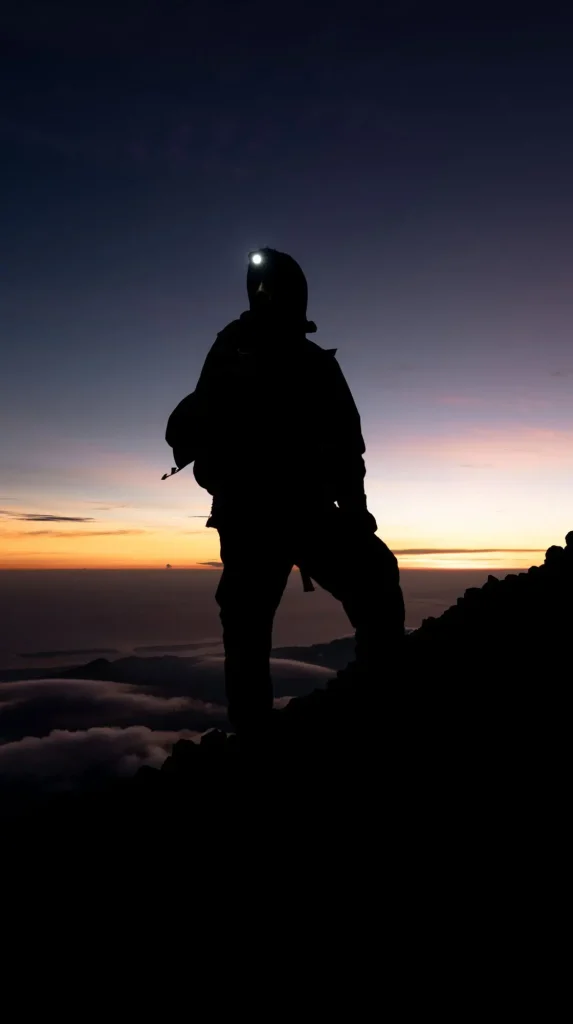
Over the years, we’ve seen a few consistent packing mistakes that can make the trek unnecessarily uncomfortable. Most are easy to avoid with a little preparation.
Not Bringing Sufficient Warm Layers
Many trekkers underestimate how cold it feels at the crater rim campsite after sunset and during the early morning summit push. Even in dry season, temperatures combined with wind exposure can feel close to freezing.
Insufficient layering often leads to poor sleep, reduced energy, and an uncomfortable summit attempt.
Not Packing Gloves and a Warm Hat
Gloves and a beanie may seem minor, but they make a significant difference at altitude. Cold hands and ears can quickly affect morale and comfort – particularly during the 2:00 AM summit climb.
These items are lightweight, easy to pack, and highly recommended.
No Head Torch for Camp and Summit
The summit attempt begins in complete darkness. A reliable head torch (with spare batteries) is essential not only for the climb, but also for moving around camp in the early morning.
Relying on phone flashlights is not sufficient and drains battery quickly.
New or Untested Footwear
Blisters are the most common issue on the 2 Day / 1 Night summit trek. Wearing brand-new boots or shoes that haven’t been broken in significantly increases this risk.
Always test footwear on several long walks before your trek.
No Electrolytes
Hydration on Mount Rinjani isn’t just about drinking water. Long hours in the sun, combined with elevation gain and physical exertion, mean your body loses salts and minerals.
Electrolyte tablets or powders help maintain energy levels and reduce the risk of muscle cramps and headaches.
Forgetting Sandals or Flip-Flops
Lightweight sandals or flip-flops are useful at rest stops and especially at the crater rim campsite in the evening. Removing hiking boots allows your feet to air and recover after a long day on the trail.
This small comfort can make a noticeable difference before the early summit start.
Reminder..
Most packing mistakes come from underestimating the mountain. Mount Rinjani is achievable for fit trekkers – but it demands preparation. Packing correctly improves safety, comfort, and overall enjoyment. This Mount Rinjani Packing Guide is based on over a decade of guiding experience in Mount Rinjani National Park.
Optional but Recommended Items
- Energy bars or trail mix
- Small power bank
- Buff or neck gaiter
- Lightweight knee brace
- Sunglasses (UV protection)
Packing for Different Trek Lengths
For 2D1N summit treks, pack light but warm.
For 3D2N or 4D3N treks, bring additional spare clothing and personal comfort items.
Longer routes mean more exposure, more weather variation, and more fatigue — but your porter team will carry camping equipment.
Frequently Asked Questions
Do I need hiking boots for Mount Rinjani?
Trail shoes are suitable for experienced hikers who are comfortable on loose volcanic scree and long descents. However, for most trekkers — especially first-timers — we recommend hiking boots with ankle support and good grip. The summit trail and descent can be steep and unstable underfoot.
How cold does it get at the summit?
At the crater rim campsite (around 2,600m), evenings can feel cold shortly after sunset. During the early morning summit attempt (starting around 2:00 AM), temperatures combined with wind chill can feel close to freezing. Proper layering, gloves, and a warm hat are essential.
Do I need to carry camping equipment?
No. All of our trekking packages include porters who carry tents, sleeping mats, cooking equipment, food, and drinking water. You only need to carry a small daypack with your personal items and extra layers.
Do you provide sleeping bags?
Yes. We provide camping equipment including sleeping bags and mats. We recommend bringing a sleeping bag liner for hygiene and additional warmth.
Can I rent equipment in Senaru?
We maintain a small stock of essential backup items such as insulated jackets, gloves, warm hats, and trekking poles. These can be loaned if needed. However, availability is limited and sizes cannot always be guaranteed. Wherever possible, we recommend bringing your own properly fitted gear.
Is a head torch really necessary?
Yes. The summit attempt begins in complete darkness, and you will also need light at the campsite before sunrise. A reliable head torch (with spare batteries) is essential for safety.
How heavy will my backpack be?
Because our porter team carries all camping and cooking equipment, most trekkers carry only a small daypack (usually 5–8kg depending on personal items). Keeping your pack light significantly improves comfort and safety on the descent.
What happens if I forget something important?
We will do our best to help, and we have limited backup equipment available. However, Mount Rinjani is a serious mountain, and preparation is your responsibility. Packing correctly improves safety and overall enjoyment.
Do I need electrolytes?
Electrolytes are strongly recommended. Long hours in the sun and sustained elevation gain cause salt loss through sweat. Electrolyte tablets or powders help maintain energy and reduce muscle cramps and headaches. We offer Pocari Sweat, an electrolyte drink, on all our Rinjani treks.
Where can I check the Mount Rinjani weather forecast?
Weather conditions on Mount Rinjani can change quickly, especially at higher elevations near the crater rim and summit. We recommend checking a reliable mountain-specific forecast before your trek.
You can view the latest summit-level forecast here:
👉 https://www.mountain-forecast.com/peaks/Mount-Rinjani/forecasts/3726