

Mount Rinjani Pack-In / Pack-Out System Explained (Environmental & Waste Rules 2026)
Introduction
The Mount Rinjani Pack-In Pack-Out System is designed to protect one of Indonesia’s most important conservation areas. Mount Rinjani is part of the Rinjani-Lombok UNESCO Global Geopark and a designated biosphere reserve.
With increasing visitor numbers over the past decade, protecting this fragile ecosystem has become more important than ever.
In the past, Mount Rinjani faced criticism for visible rubbish at certain rest stops and around Lake Segara Anak — particularly during high season and following large cultural or religious gatherings.
The National Park has since introduced stricter systems to address these issues, placing accountability at the centre of trekking management.
For a full breakdown of the official regulatory framework, you can read our guide to the Mount Rinjani National Park SOP 2025.
Learning From the Past
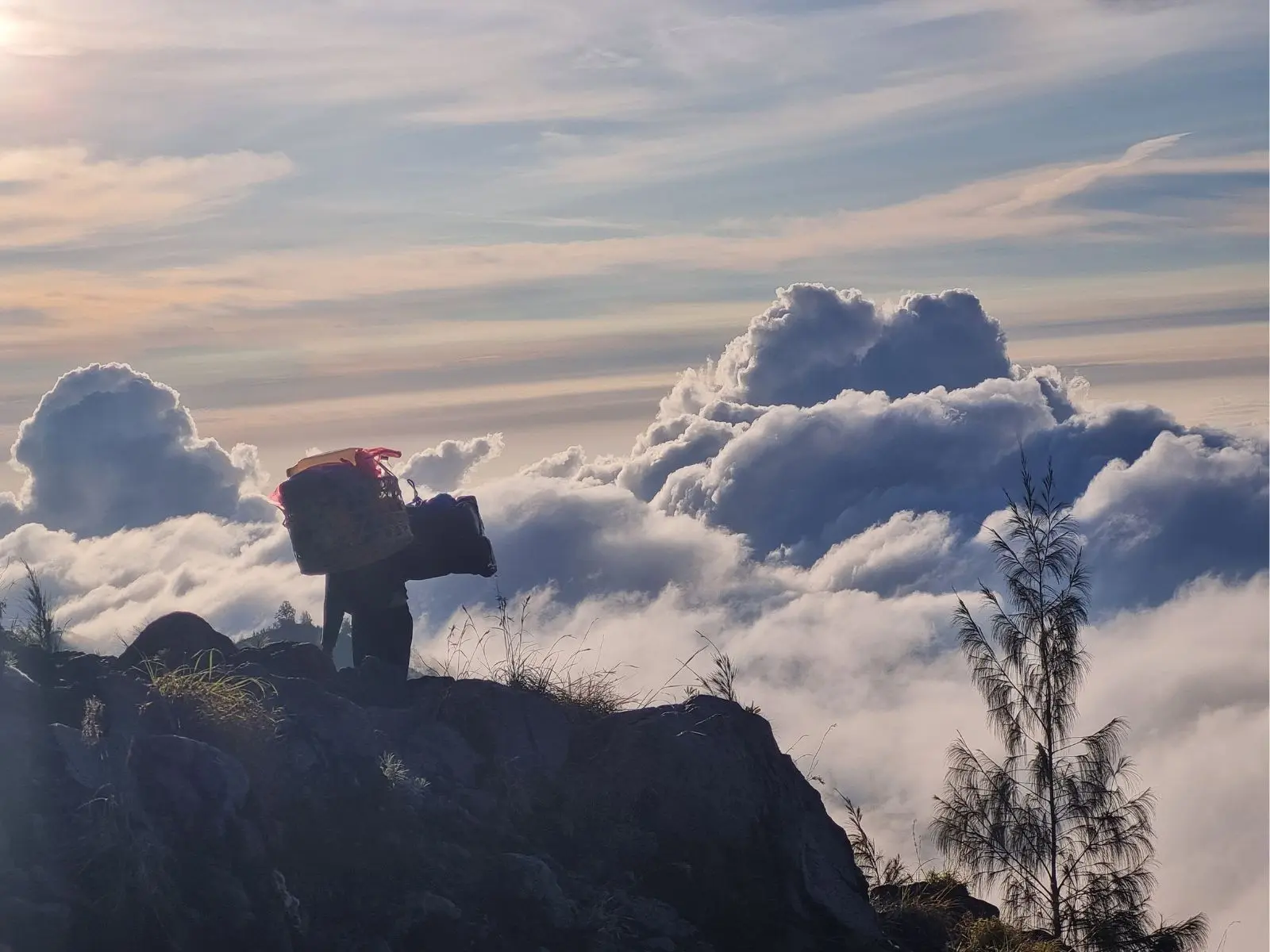
It’s important to be honest.
There were periods when waste management on Mount Rinjani was not handled effectively.
At one stage, bins were placed at certain rest points along the trail. In theory, this was intended to reduce litter.
In practice:
- Bins frequently overflowed during peak season
- Waste was sometimes scattered by wildlife, including monkeys
- Collection systems were inconsistent
- Rest stops could appear untidy
There has also been criticism of rubbish accumulation around Lake Segara Anak following large ceremonial events.
National and international media have reported on these issues, including this Antara News article highlighting waste challenges on Rinjani .
The National Park has since moved away from the bin model and now focuses on structured accountability systems.
The Reality on the Mountain Today
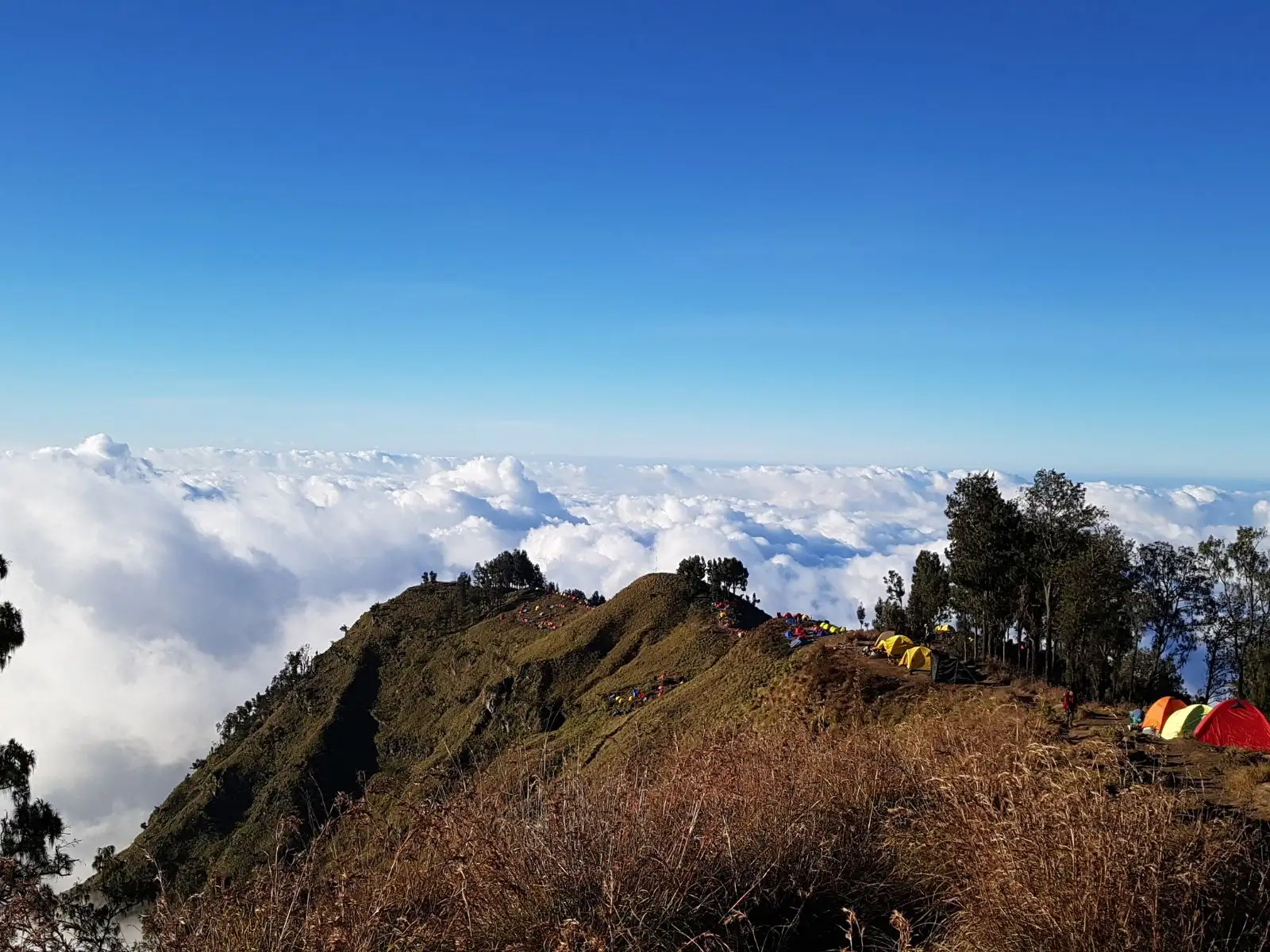
Most licensed Trekking Organisers operate responsibly and follow environmental guidelines carefully.
However, challenges remain. There are still unlicensed and extremely low-budget operators who cut corners and sometimes fail to enforce proper waste procedures.
The National Park Authority continues refining systems and strengthening inspection and penalty structures under the updated SOP.
What Is the Mount Rinjani Pack-In Pack-Out System?
The Mount Rinjani Pack-In Pack-Out System is a structured waste accountability process designed to eliminate unmanaged disposal on the mountain.
The system works in four stages:
- Pre-Trek Waste Declaration
- Pack-In Inspection
- On-Mountain Waste Responsibility
- Pack-Out Verification at Exit
1. Pre-Trek Waste Declaration
Before starting a trek, groups must declare items likely to generate waste and use reusable containers wherever possible.
Reusable containers are encouraged, and single-use styrofoam, glass, and cans are not permitted under current regulations.
2. Pack-In Inspection at the Gate
At the entry gate, officers inspect declared items and record waste-producing materials, ensuring accountability before the trek begins.
3. Responsibility During the Trek
During the trek, all waste must be carried out. Burning or burying waste is prohibited, and disposal near water sources is strictly forbidden.
4. Pack-Out Verification at Exit
Upon descent, waste is checked against the original declaration. Missing waste may result in penalties under the updated SOP.
Our Role in Clean-Up Efforts
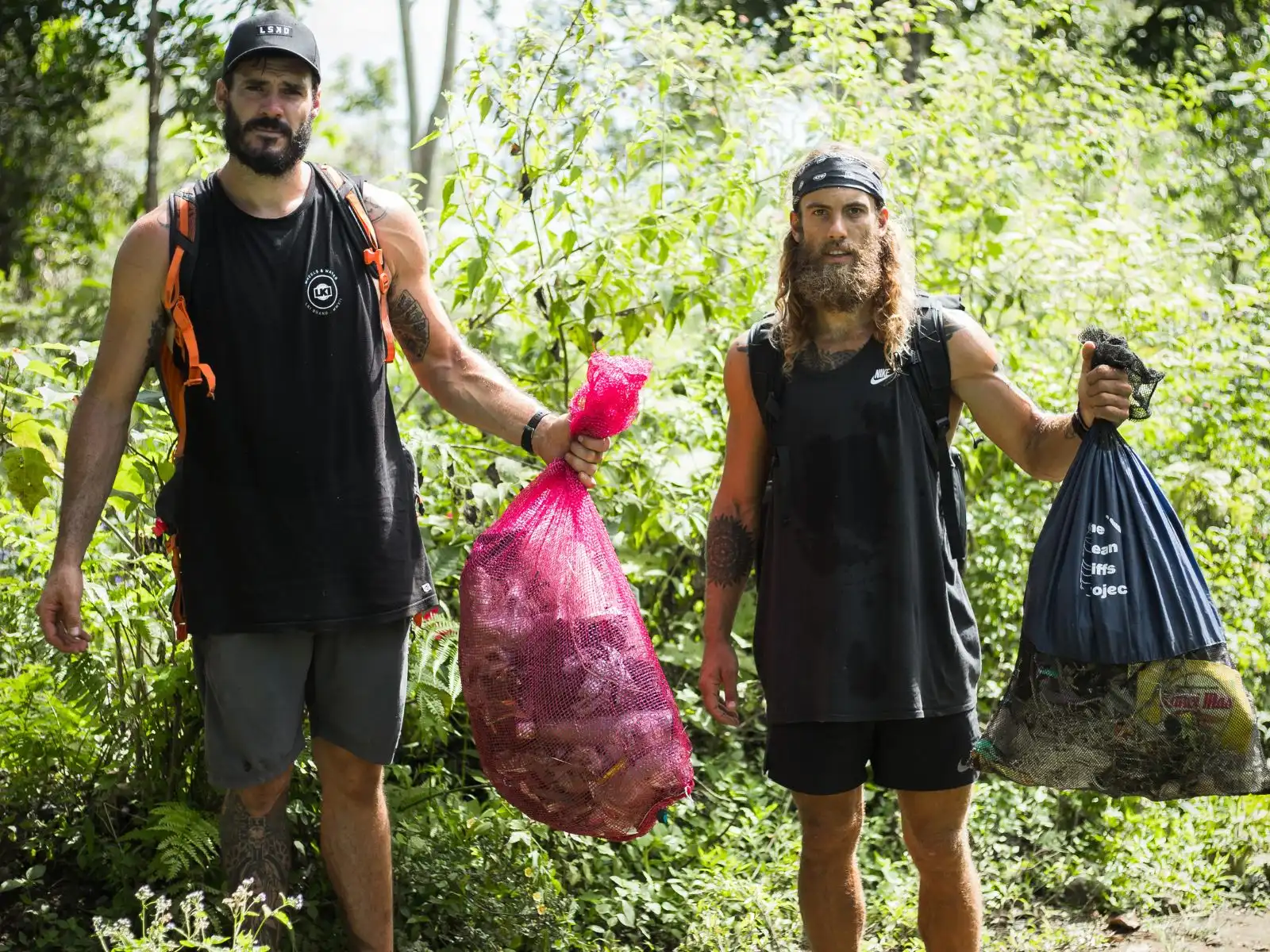
At Rinjani Dawn Adventures, we regularly participate in clean-up initiatives, removing existing rubbish from rest stops and high-traffic areas — including waste left behind by other groups.
We believe operators who benefit from the mountain should contribute to maintaining it.
A System That Is Still Evolving
The National Park Authority continues working toward practical and enforceable environmental systems.
Moving toward structured accountability is an essential step in protecting Mount Rinjani long-term.
What This Means for Trekkers
If you are planning to climb Mount Rinjani:
- Choose a licensed operator
- Expect inspections at entry and exit
- Bring reusable containers
- Be prepared to carry all waste out
A Shared Responsibility
Mount Rinjani is a protected conservation area, sacred site, and critical ecosystem.
Sustainable trekking is a shared responsibility between the National Park, licensed operators, guides, and visitors.
We are committed to playing our part – and encouraging others to do the same.
If you have questions about planning a compliant and responsible Mount Rinjani trek, feel free to contact our team.