March 24, 2026
Which Rinjani trek is best? How to Choose the Best Mount Rinjani Trekking Package..
Not sure which Mount Rinjani trek is best for you?
With multiple routes, durations and difficulty levels, choosing the right Mount Rinjani trekking package can feel confusing, especially if it is your first time visiting Lombok.
The best trek for you depends on a few key factors including duration, route direction, your fitness and experience level, price, and your onward travel plans after the trek.
In this guide, we compare the main Mount Rinjani trekking options including 2 day, 3 day and 4 day treks. We explain the differences in route, difficulty, time commitment and overall experience so you can choose the best option for your goals, schedule and ability.
Table of Contents
Which Mount Rinjani Trek Is Best? (Quick Answer)
If you are short on time, here is a simple breakdown to help you decide quickly:
- 2 Day / 1 Night Trek
Best for fit hikers with limited time. A fast-paced option focused on reaching the summit. - 3 Day / 2 Night Trek
The most popular choice. A balanced experience that includes the summit, crater rim and Segara Anak Lake. - 4 Day / 3 Night Trek
Best for a slower pace and a more complete experience, with extra time to enjoy the lake, hot springs and surroundings.
Most travellers choose the 3 day / 2 night trek, as it offers the best mix of challenge, scenery and overall experience.
👉 You can compare all options in detail below:
Mount Rinjani Trekking Packages Compared
Mount Rinjani Trek Comparison Table
Mount Rinjani offers several trekking options ranging from short summit ascents to multi-day journeys across the national park.
The table below compares the most popular trekking packages, including duration, route, highlights, and recommended experience level.
Use this overview to quickly understand the differences between treks before exploring each option in more detail below.
Mount Rinjani 2 Day / 1 Night Trekking Packages
Trek
Highlights
Route
Difficulty
Price
Recommended For
Action
⭐ Most PopularMount Rinjani Summit Trek
Summit sunrise
Sembalun → Summit → Sembalun
Challenging
$275
Trekkers with limited time who want to reach the summit of one of Indonesia’s most iconic peaks
Senaru Crater Rim Trek
Crater rim views
Senaru → Crater Rim → Senaru
Moderate
$225
Trekkers who would like to experience a challenging hike and incredible Mount Rinjani views without climbing to the summit
Second Summit Trek (Sangkareang)
Quiet summit, panoramic views
Senaru → Sangkareang → Senaru
Moderate–Challenging
$245
Hikers seeking a quieter alternative to the main summit, with spectacular views and excellent photo opportunities
Mount Rinjani 3 Day / 2 Night Trekking Packages
Trek
Highlights
Route
Difficulty
Price
Recommended For
Action
⭐ Most PopularMount Rinjani Summit & Lake Trek (Senaru → Sembalun)
Summit, Lake, Hot Springs
Senaru → Lake → Summit → Sembalun
Challenging
$325
Trekkers wanting to experience the summit, Segara Anak lake and hot springs, starting with a hike through the rainforest
Mount Rinjani Summit & Lake Trek (Sembalun → Senaru)
Summit, Lake, Rainforest descent
Sembalun → Summit Lake → Senaru
Challenging
$325
Trekkers wanting to experience the best of the national park but who need to finish earlier on Day 3
Mount Rinjani Summit & Lake Trek (Sembalun → Torean)
Summit, Lake, Scenic valley route
Sembalun → Summit
Advanced / Expert
$345
Experienced trekkers looking for dramatic scenery and a steep valley descent after the Mount Rinjani summit
Mount Rinjani Second Summit Trek (Senaru → Senaru)
Senaru Crater Rim, Second Summit (Puncak Sangkareang)
Senaru → Senaru
Moderate–Challenging
$320
Trekkers looking for a quieter summit experience with panoramic crater views and fewer crowds than the main Mount Rinjani summit
Waterfalls to Wilderness (Senaru → Senaru)
Waterfall Sightseeing, Senaru Crater Rim camping
Senaru → Senaru
Moderate
$320
Travellers who want to combine Lombok’s waterfalls with a short Mount Rinjani trekking adventure
4 Days / 3 Nights
Trek
Highlights
Route
Difficulty
Price
Recommended For
Action
⭐ Most PopularMount Rinjani Summit & Lake Package (Senaru → Sembalun)
Summit . Lake . Hot Springs
Senaru→ Lake → Summit → Sembalun
Moderate
$395
Trekkers wanting a slower pace with more time to explore the lake and hot springs
Mount Rinjani Summit & Lake Package (Sembalun → Senaru)
Summit, Lake, Hot Springs
Sembalun → Summit → Lake → Senaru
Moderate
$395
Trekkers who want the full Mount Rinjani experience with extra time on the mountain
Quick Summary
The comparison table above highlights the key differences between the most popular Mount Rinjani trekking packages. In general, 2 Day / 1 Night treks are best suited to travellers with limited time who want to reach the summit or experience the crater rim views, while 3 Day / 2 Night treks offer a more complete Mount Rinjani adventure including the summit, Segara Anak crater lake, and hot springs. Most itineraries follow a Senaru → Sembalun route, which provides a gradual progression through the national park, while the Torean trek is widely considered the most scenic route but is typically recommended for experienced hikers due to its rugged terrain and demanding descents.
Mount Rinjani Trekking Packages Comparison (2, 3 and 4 Day Treks)
Use this quick comparison table to see the key differences between each Mount Rinjani trek, including duration, difficulty and overall experience.
Most travellers find the 3 Day / 2 Night trek offers the best overall balance of challenge, scenery and experience.
How Many Days Do You Need for Mount Rinjani?
Time is usually the first and most practical factor when deciding which Rinjani trek is best for you.
If you are short on time, the 2 day / 1 night trek is the fastest way to reach the summit. It is designed for those who want to experience Rinjani but have limited days available. However, it comes with long trekking hours and a faster pace.
The 3 day / 2 night trek offers a much better balance. You still reach the summit, but you also have time to enjoy the crater rim, descend to Segara Anak Lake and take in more of the landscape along the way.
If you have more flexibility, the 4 day / 3 night trek allows for a slower, more enjoyable pace. You spend more time at the lake, can visit the hot springs and avoid feeling rushed.
👉 If your schedule allows, we generally recommend at least 3 days for a more complete and enjoyable experience.
2 Day 1 Night Mount Rinjani Trek – Fast and Challenging
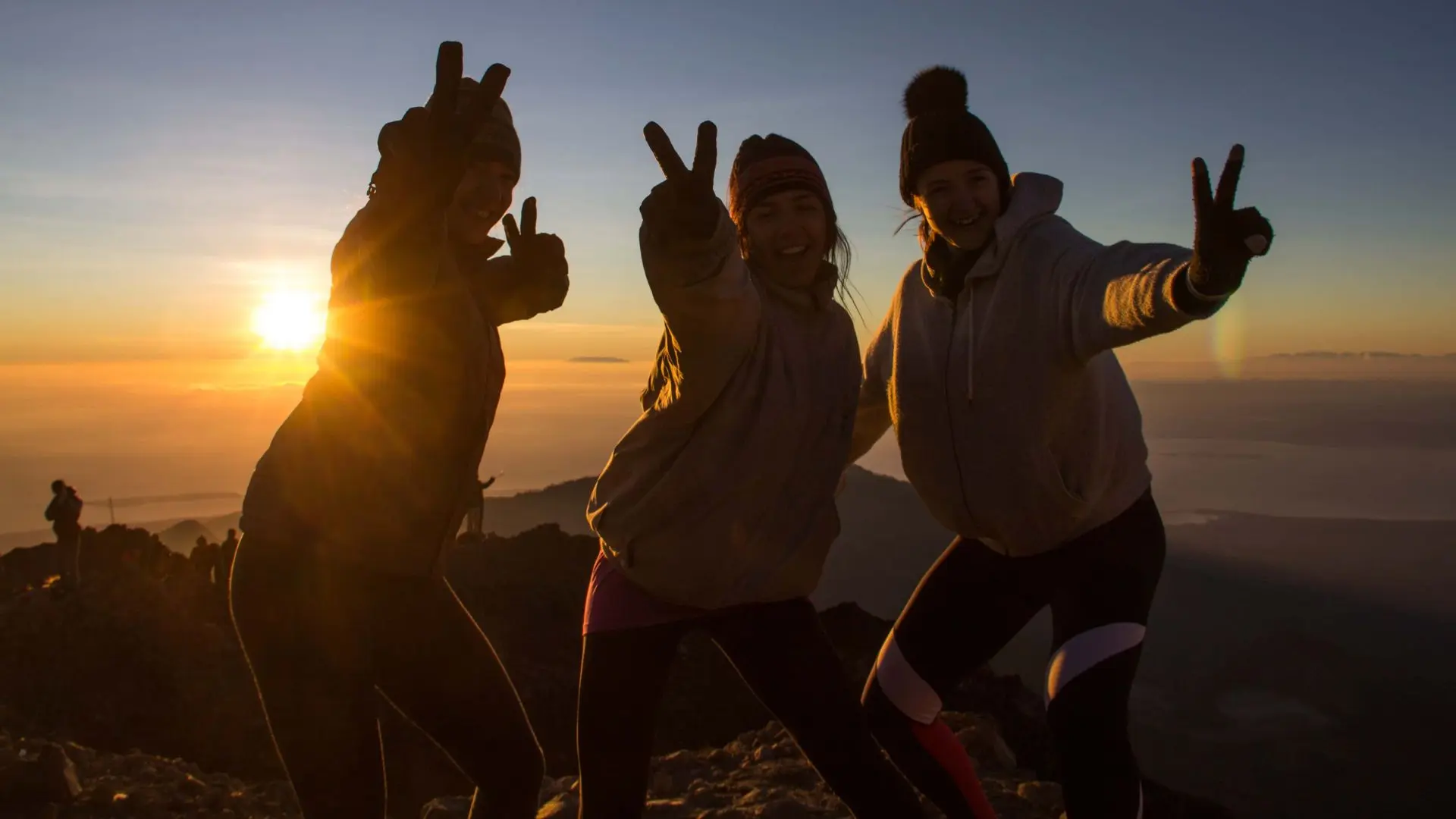
The 2 day / 1 night Rinjani trek is the shortest option and is designed for those who are limited on time but still want to reach the summit of Mount Rinjani.
You will typically start in Sembalun, trek to the crater rim on day one, then attempt the summit early the next morning before descending back to the village.
What to expect:
- Long trekking hours on both days
- A steep and physically demanding summit push
- Limited recovery time between stages
- A strong focus on reaching the summit rather than enjoying the journey
This option is best suited to fit and experienced hikers who are comfortable with a fast pace and physically demanding conditions.
👉 If your main goal is to reach the summit in the shortest time, this is the best option.
3 Day 2 Night Rinjani Trek – The Best All-Round Experience
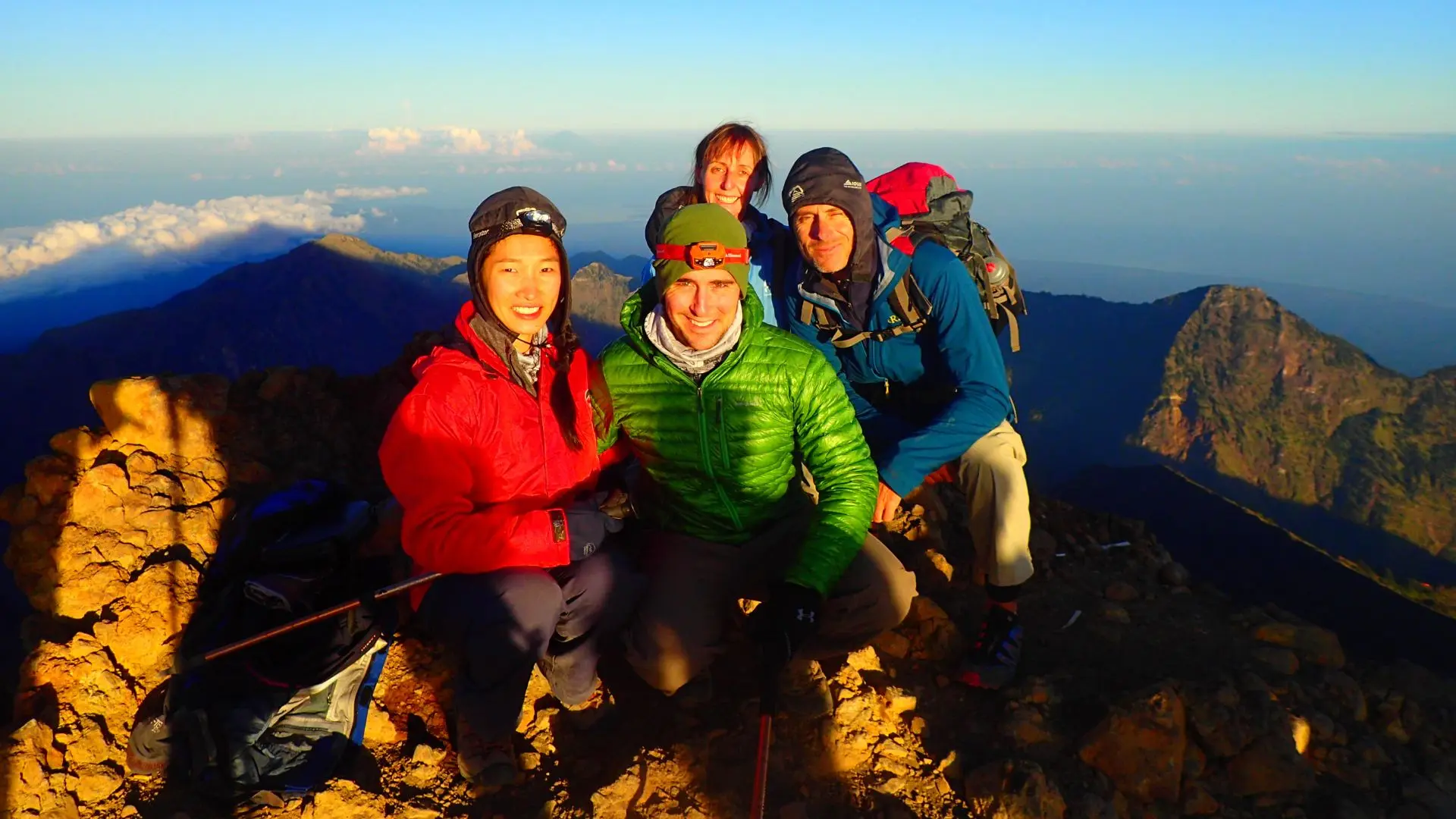
The 3 day / 2 night Rinjani trek is the most popular option and is widely considered the best overall Rinjani experience.
You will trek to the crater rim on day one, summit early on day two, then descend to Segara Anak Lake where you will spend the night before completing the trek on day three.
What to expect:
- A well-paced itinerary with time to rest and recover
- The full Rinjani experience including summit, crater rim and lake
- Opportunities to enjoy the scenery rather than rushing through it
- A challenging but manageable level of difficulty for most fit travellers
This trek offers the best balance between challenge, experience and enjoyment, which is why most people choose this option.
👉 If you are unsure, this is usually the safest and best choice.
4 Day 3 Night Rinjani Trek – Slower Pace, Deeper Experience
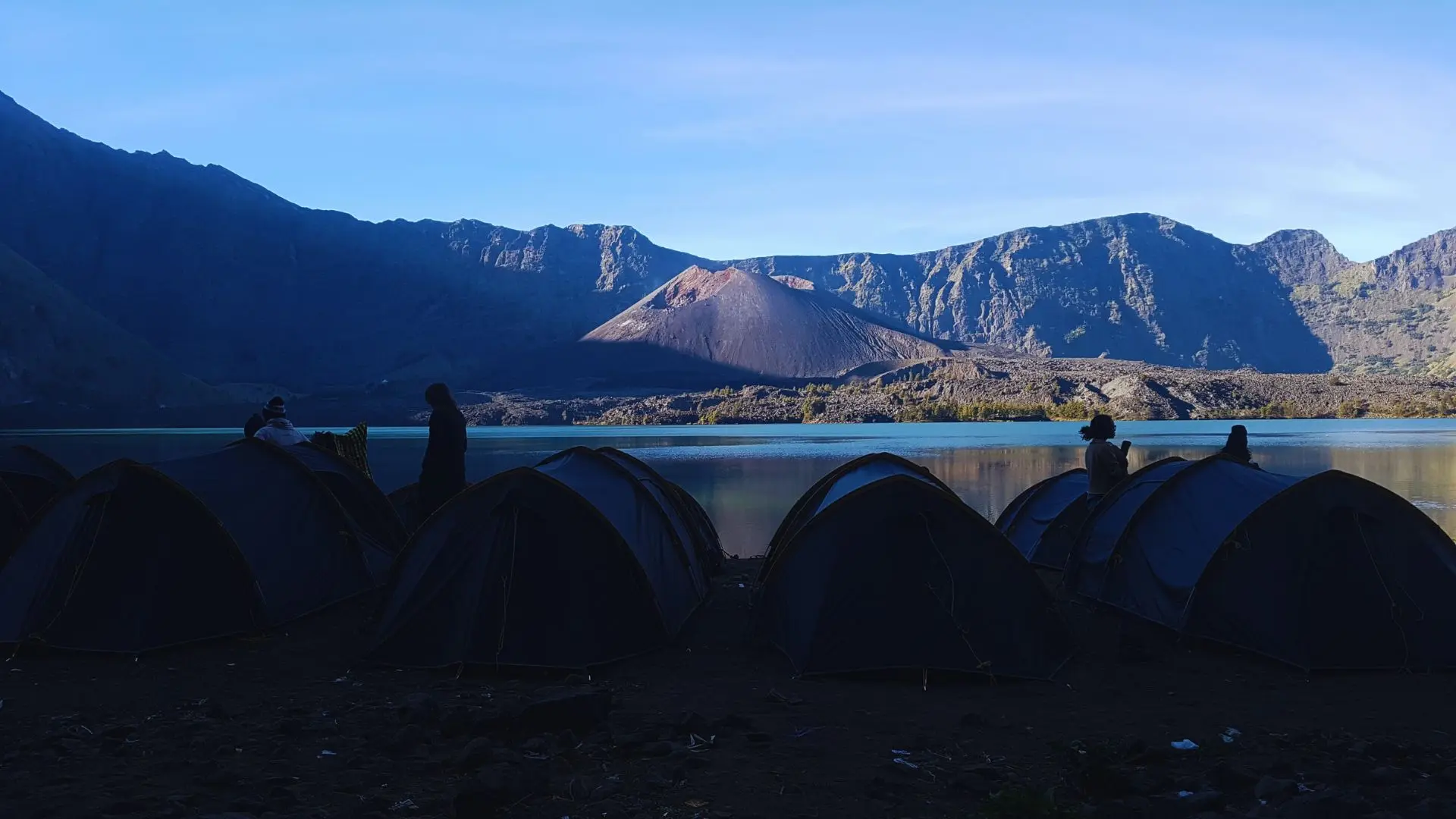
The 4 day / 3 night Rinjani trek follows a similar route to the 3 day trek, but with an extra day to slow the pace and enhance the experience.
You will have more time at Segara Anak Lake, can visit the hot springs, and enjoy shorter trekking days overall.
What to expect:
- Shorter daily trekking distances
- More time to rest and recover
- A more relaxed and enjoyable pace
- Greater opportunity to explore the lake and surrounding areas
This option is ideal for those who want to fully experience Rinjani without feeling rushed, or who prefer a more comfortable pace.
👉 If you value the journey as much as the summit, this is an excellent choice.
Trek Direction – Sembalun to Senaru or Senaru to Sembalun?
For 3 day and 4 day Mount Rinjani treks, there is an important decision to make that many travellers are not aware of.
You can complete the trek in different directions, depending on the route and itinerary:
- Sembalun to Senaru
- Senaru to Sembalun
- Sembalun to Torean (3 day trek only)
Each option includes similar key highlights, but the pacing, difficulty and overall experience can feel quite different.
Senaru to Sembalun – Best Overall Mount Rinjani Trek (3 Day / 2 Night)
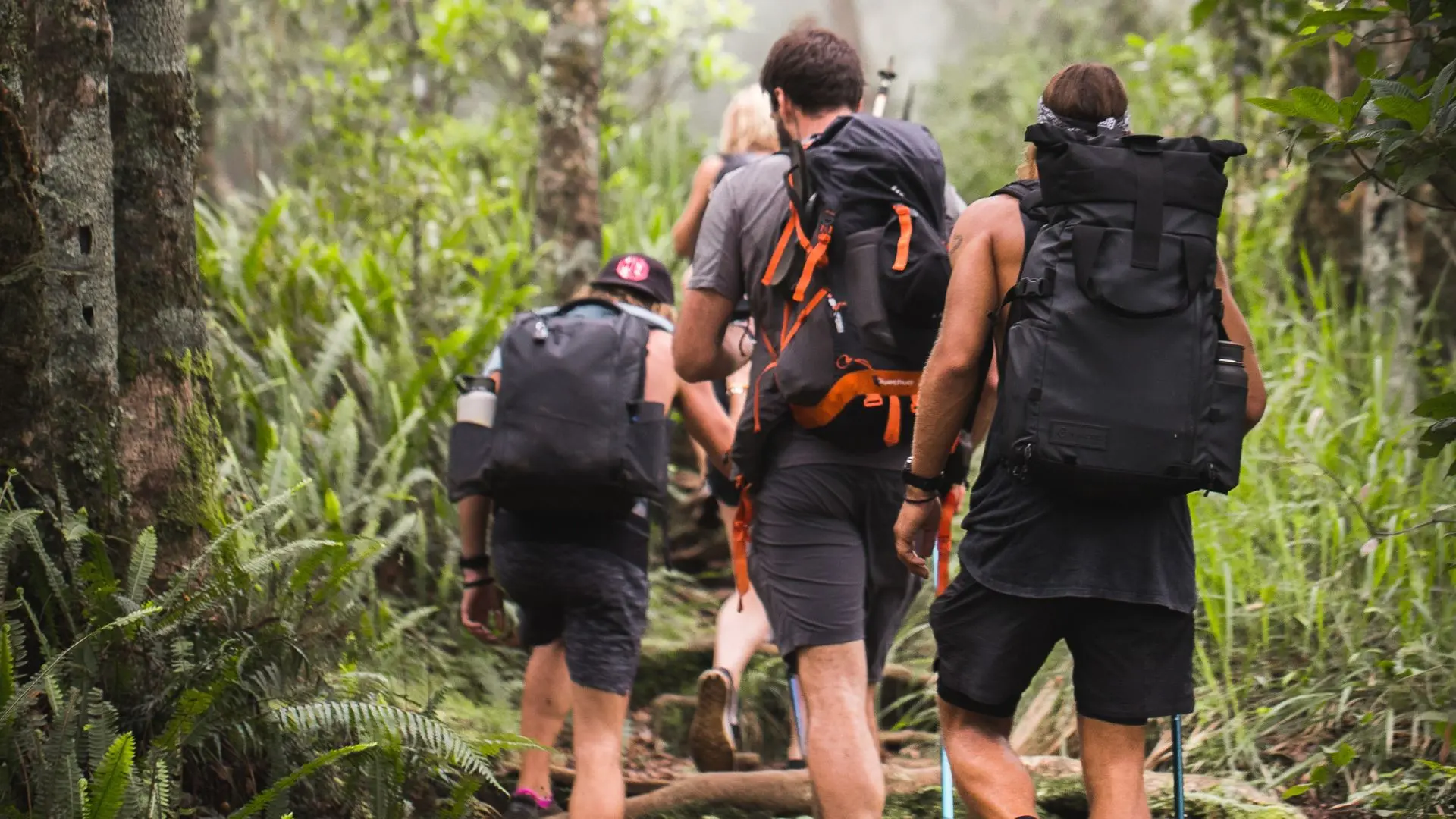
Summit on Day 3
This is the route we recommend for most travellers, offering a more gradual and structured build towards the summit.
You begin in Senaru, trekking through dense rainforest to the crater rim. From there, you descend to Segara Anak Lake, before crossing to Sembalun Crater Rim and completing the summit on the final day.
What to expect:
- A progressive build-up over the first two days
- Time to adapt and build fitness before the summit push
- A more balanced and structured itinerary
- The summit as a natural high point and climax to the trek
- A strong sense of achievement finishing in Sembalun after the summit
👉 If you want a well-paced trek that builds towards the summit, this is the best option.
Typical 3 Day / 2 Night Itinerary (Senaru to Sembalun)
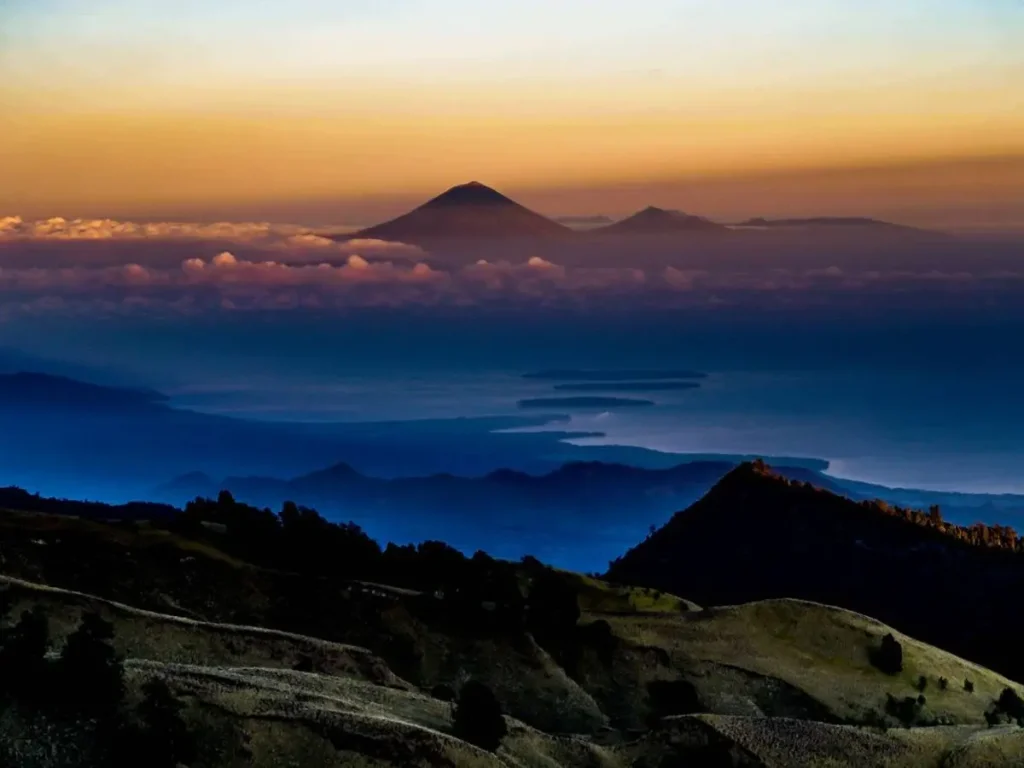
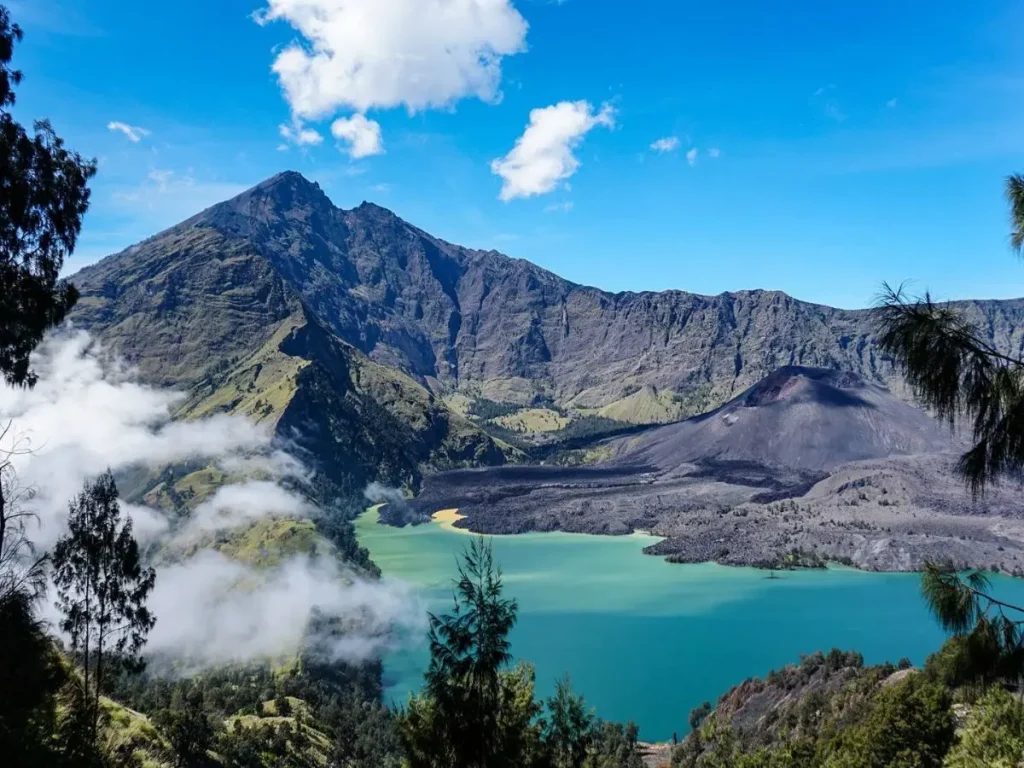
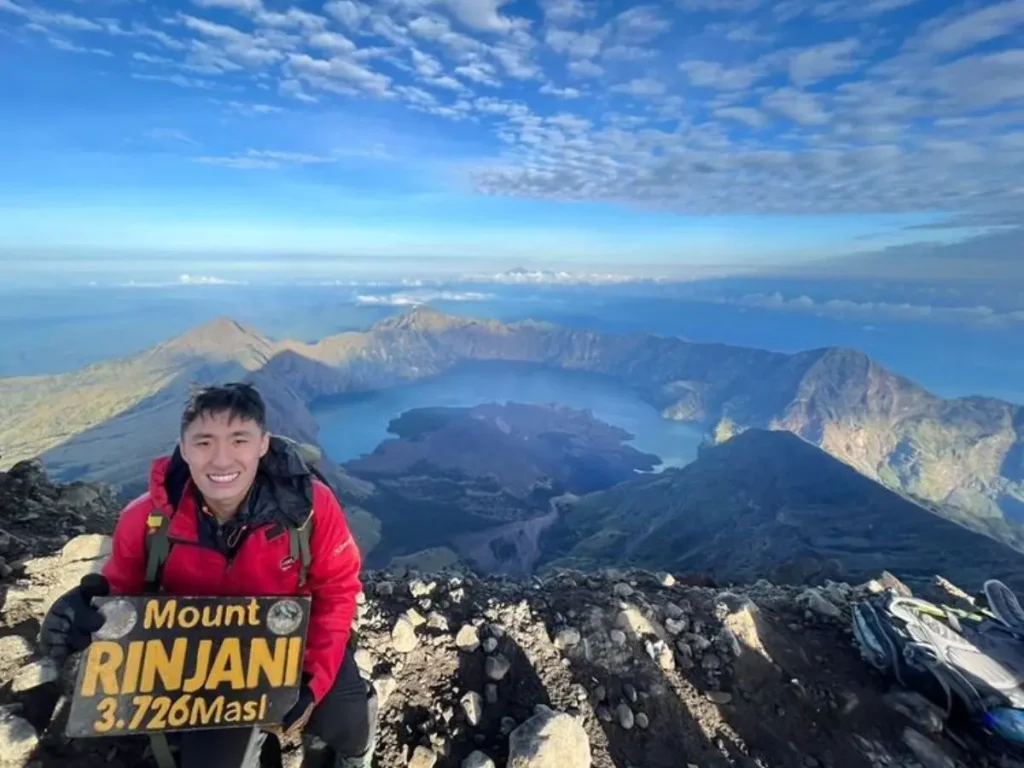
To help you understand how this route flows, here is a typical day-by-day breakdown:
Day 1: Senaru Village to Senaru Crater Rim
A steady ascent through dense rainforest, offering shade and a very different environment to the Sembalun side. You reach the crater rim in the afternoon and camp overnight with views across the crater.
Day 2: Senaru Crater Rim to Sembalun Crater Rim (via Segara Anak Lake)
You descend from the crater rim down to Segara Anak Lake in the morning. After arriving at the lake, you stop for lunch and have time to rest. If time permits, you can also visit the hot springs.
We usually spend around 2 hours at the lake before continuing the trek. In the afternoon, you begin the climb up to Sembalun Crater Rim, where you camp for the night.
Day 3: Summit and Descent to Sembalun Village
An early start for the summit attempt, followed by a descent back to camp for breakfast, before continuing down to Sembalun village.
Important note:
Day 2 is one of the more physically demanding days of the trek, as it includes both a descent to the lake and a climb back up to the crater rim.
The amount of time spent at Segara Anak Lake depends on how long it takes to descend from Senaru Crater Rim in the morning.
However, this structure allows you to build gradually over the first two days and finish with the summit as the final highlight of the trek.
👉 This route is ideal for those who prefer a more progressive journey and want to end their experience on a high.
👉 As always, pacing and structure can be adjusted with your guide depending on your group’s ability and preferences.pace and structure can be adjusted with your guide depending on your group’s ability and preferences.
Sembalun to Senaru – Rapid Ascent with Summit on Day 2 (3 Day / 2 Night)
Sembalun to Senaru – Faster Pace (3 Day / 2 Night)
Summit on Day 2
This route follows a slightly faster-paced structure, with the summit attempt taking place earlier in the trek.
You begin in Sembalun, trekking across open savannah to Sembalun Crater Rim. From there, you summit early on Day 2, before descending to Segara Anak Lake and continuing across to Senaru Crater Rim, finishing in Senaru on Day 3.
What to expect:
- A faster progression to the summit
- The summit completed early in the trek
- A longer and more physically demanding Day 2
- An earlier overall finish on Day 3
- A strong option for those on tighter schedules
👉 If you need to complete your trek earlier, or prefer to summit sooner, this can be a good option.
Typical 3 Day / 2 Night Itinerary (Sembalun to Senaru)
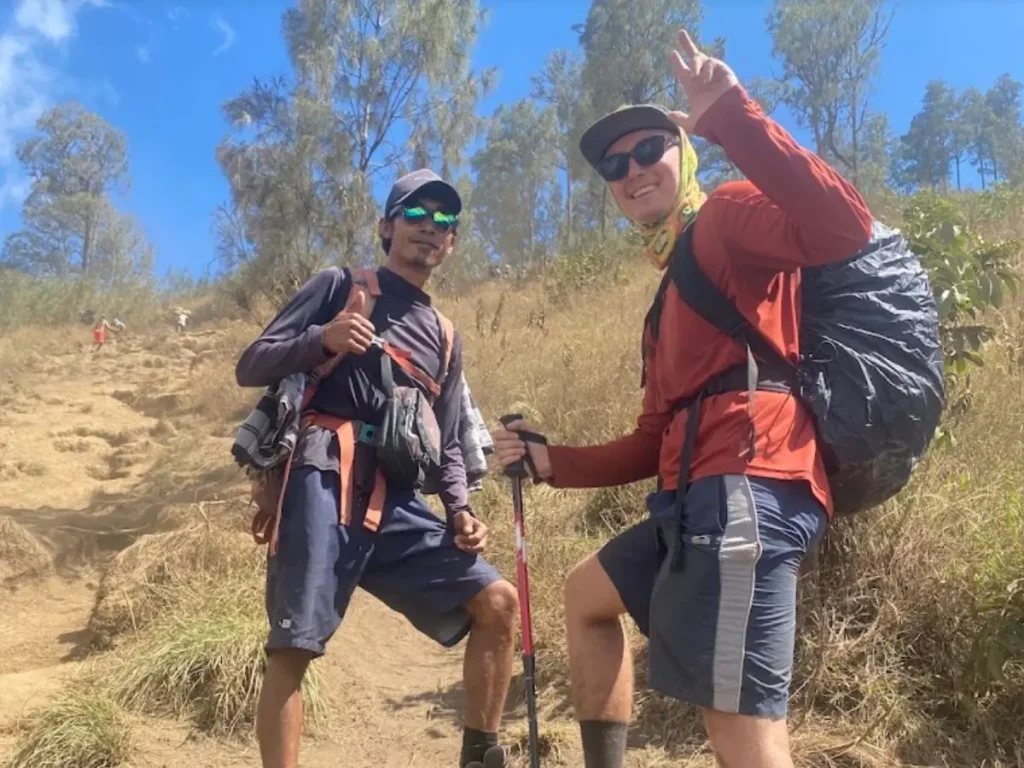
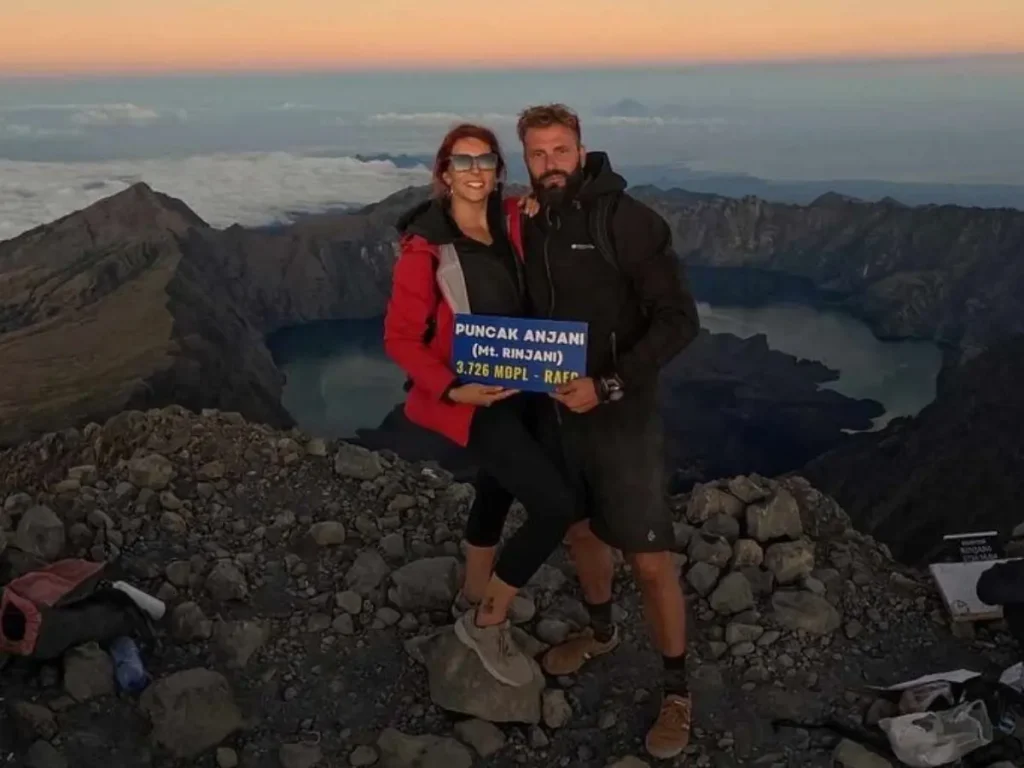
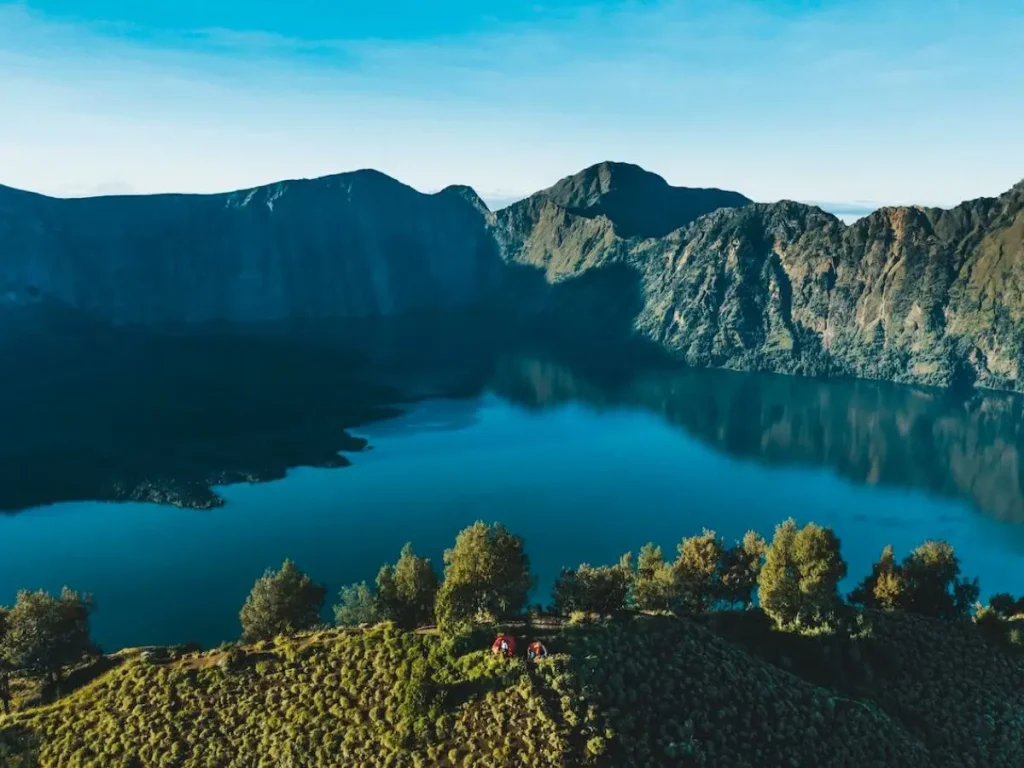
To help you understand how this route flows, here is a typical day-by-day breakdown:
Day 1: Sembalun Village to Sembalun Crater Rim
A steady ascent across open savannah, with expansive views throughout the day. You reach Sembalun Crater Rim in the afternoon and camp overnight in preparation for the summit.
Day 2: Summit, Segara Anak Lake, and Senaru Crater Rim
An early start for the summit attempt, followed by a descent back to camp for breakfast.
You then continue descending down to Segara Anak Lake, where you stop for lunch and rest. If time permits, you can also visit the hot springs.
We usually spend around 2 hours at the lake before continuing. In the afternoon, you climb up to Senaru Crater Rim, where you camp for the night.
Day 3: Descent to Senaru Village
A long but steady descent through rainforest back to Senaru village.
Important note:
Day 2 is considered the most challenging day of this itinerary, combining the summit attempt with a long descent to the lake and a climb back up to the crater rim.
Because the summit is completed early, the final day is more relaxed, with a straightforward descent through the forest.
👉 This route may suit those with limited time, or those who prefer to complete the summit earlier in the trek.
👉 If you have more flexibility, the Senaru to Sembalun option is generally considered the more balanced and progressive experience.
👉 As always, pacing and structure can be adjusted with your guide depending on your group’s ability and preferences.
Sembalun to Torean – Challenging and Adventurous Mount Rinjani Trek (3 Day / 2 Night)
Summit on Day 2
This route combines the classic summit experience with a descent through the spectacular Torean Valley, offering one of the most diverse and visually rewarding trekking routes on Mount Rinjani.
You begin in Sembalun, trekking to the crater rim before summiting early on Day 2. After descending to Segara Anak Lake, instead of climbing back up to a crater rim, you exit via the Torean route.
What to expect:
- A faster progression to the summit
- The summit completed early in the trek
- A varied and constantly changing landscape
- A less crowded and more remote descent
- A unique finish through one of Rinjani’s most scenic valleys
👉 If you are looking for something a little different, this route offers a more adventurous and visually diverse experience.
Typical 3 Day / 2 Night Itinerary (Sembalun to Torean)


To help you understand how this route flows, here is a typical day-by-day breakdown:
Day 1: Sembalun Village to Sembalun Crater Rim
A steady ascent across open savannah, with wide views throughout the day. You reach Sembalun Crater Rim in the afternoon and camp overnight.
Day 2: Summit and Descent to Segara Anak Lake
An early start for the summit attempt, followed by a descent back to camp for breakfast.
You then continue down to Segara Anak Lake, where you stop for lunch, rest and visit the hot springs if time permits. You camp near the lake overnight.
Day 3: Torean Valley Descent to Torean Village
This is where the route really stands out.
The descent follows the Torean Valley, passing rivers, waterfalls and dramatic cliffside sections. The environment feels completely different to the rest of the trek, with dense greenery and a raw, untouched atmosphere.
Many people describe this section as having a “Jurassic Park” feel to it.
You finish in Torean village after a long but incredibly scenic descent.
Important note:
The Torean route can be more technical in sections, with uneven terrain and river crossings. Good footing and a reasonable level of fitness are important.
However, the reward is one of the most unique trekking experiences on Mount Rinjani.
👉 This route is ideal for those who want to combine the summit with a more adventurous and visually impressive descent.
👉 As always, your guide will manage pacing and safety depending on conditions and your group’s ability.
Senaru to Sembalun – Slower and More Comfortable (4 Day / 3 Night)
Summit on Day 4
This route follows the same overall direction as the 3 day Senaru to Sembalun trek, but with an additional day to allow for a slower pace, more rest, and greater flexibility.
You begin in Senaru, trekking through rainforest to the crater rim, before descending to Segara Anak Lake. From there, you continue across to Sembalun Crater Rim, before completing the summit on the final day.
What to expect:
- A progressive and well-paced build across four days
- More time to adapt before the summit attempt
- Shorter and less demanding daily trekking distances
- More rest stops and flexibility throughout the trek
- A more comfortable overall experience
👉 If you want to reduce fatigue and enjoy the journey at a more relaxed pace, this is the best option.
Typical 4 Day / 3 Night Itinerary (Senaru to Sembalun)

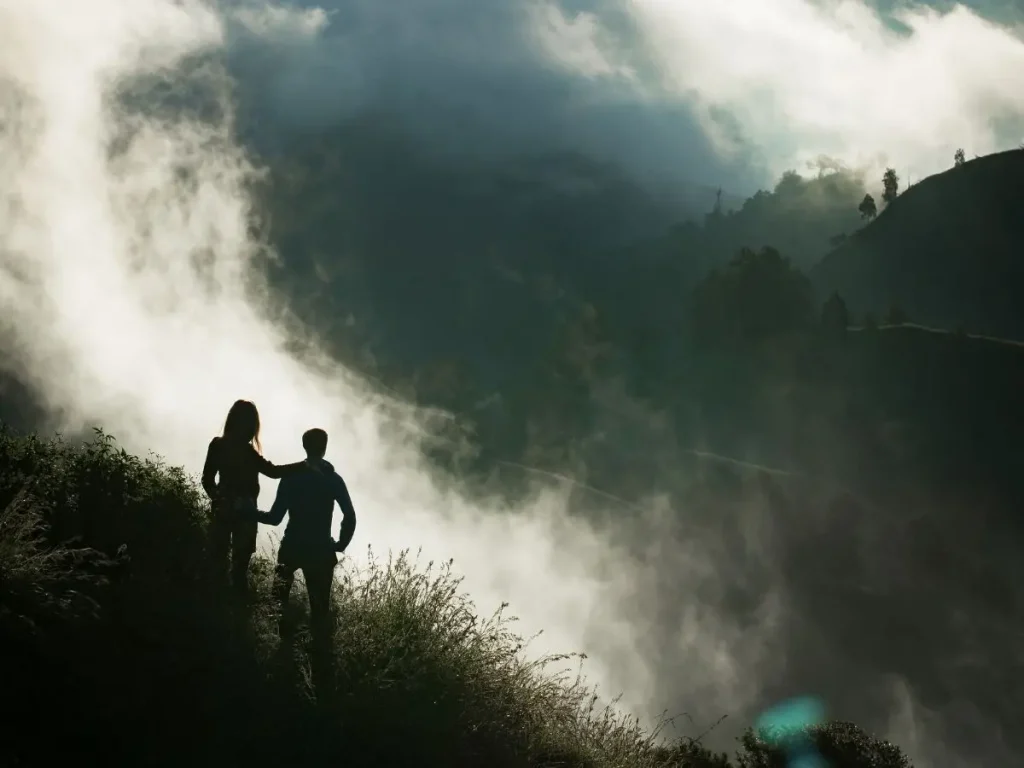
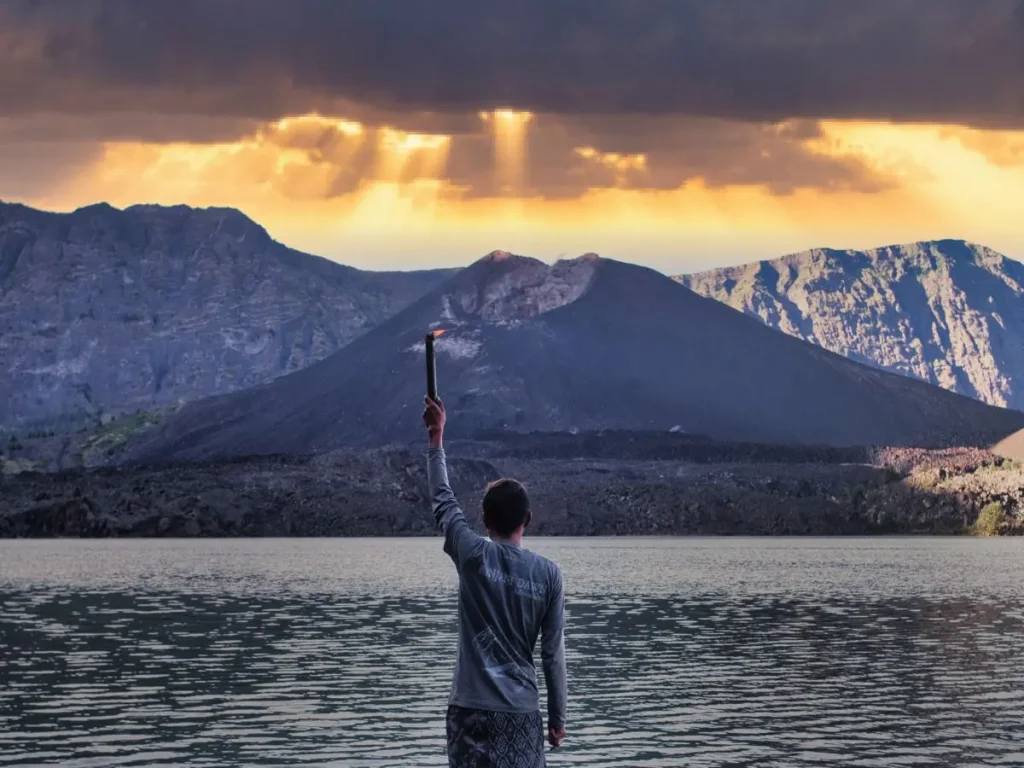
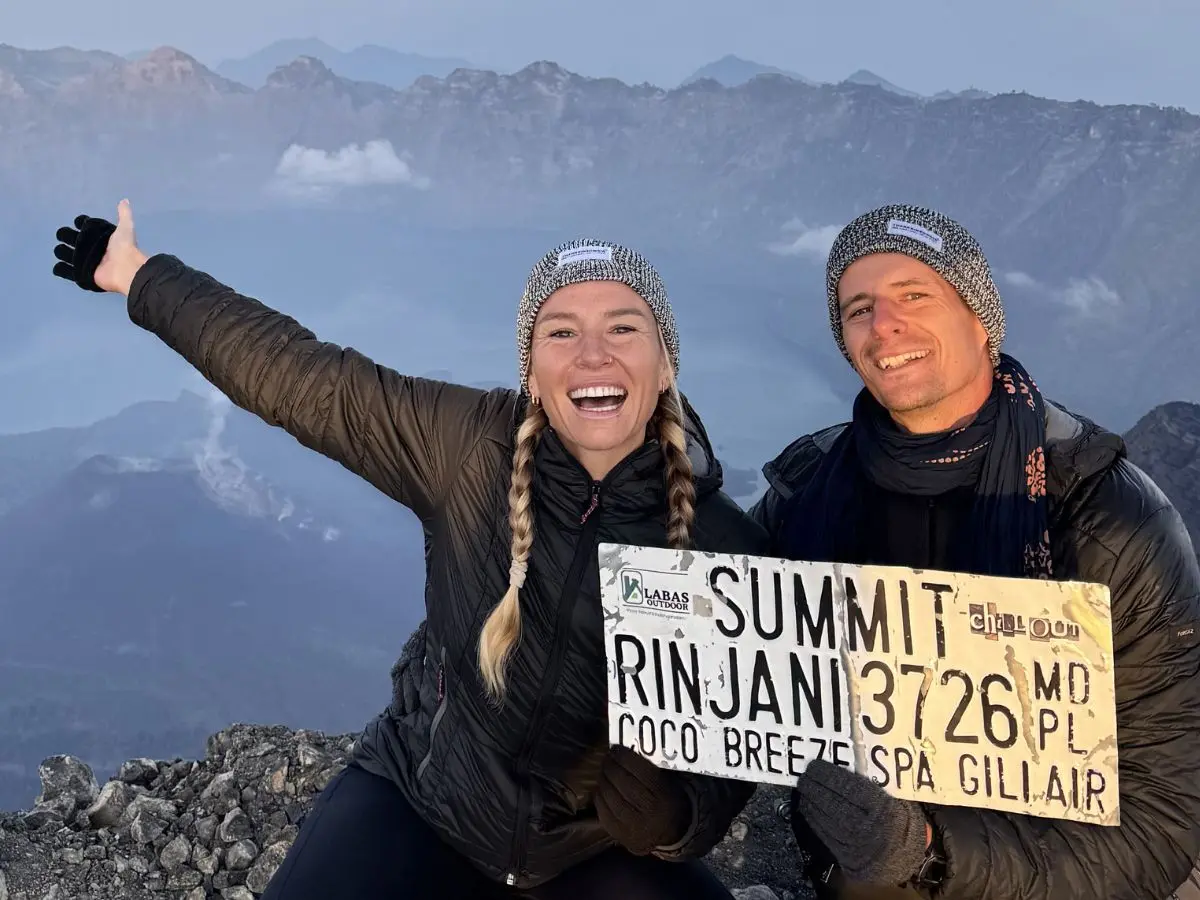
To help you understand how this route flows, here is a typical day-by-day breakdown:
Day 1: Senaru Village to Senaru Crater Rim
A steady ascent through dense rainforest, reaching the crater rim in the afternoon where you camp overnight.
Day 2: Senaru Crater Rim to Segara Anak Lake
You descend to Segara Anak Lake, where you stop for lunch, rest and visit the hot springs if time permits. You camp at the lake overnight.
Day 3: Segara Anak Lake to Sembalun Crater Rim
A shorter and more relaxed trekking day, climbing up to Sembalun Crater Rim at a comfortable pace in preparation for the summit.
Day 4: Summit and Descent to Sembalun Village
An early start for the summit push, followed by descent back to camp for breakfast before continuing down to Sembalun village.
Important note:
By camping at the lake on Day 2 and spreading the trek across four days, this itinerary avoids the longer and more demanding days found in the 3 day option.
This allows for better recovery, more flexibility with pacing, and a more enjoyable overall experience.
👉 This route is ideal for those who prefer a more progressive journey, with the summit as the final highlight, but at a more comfortable pace.
👉 As always, pacing and structure can be adjusted with your guide depending on your group’s ability and preferences.
Sembalun to Senaru – Summit Early, Slower Overall (4 Day / 3 Night)
Summit on Day 2
This route follows the same direction as the 3 day Sembalun to Senaru trek, but with an additional day to reduce intensity and allow for a more comfortable pace.
You begin in Sembalun, trekking to the crater rim before summiting early on Day 2. From there, you descend to Segara Anak Lake, before continuing to Senaru Crater Rim and finishing in Senaru on Day 4.
What to expect:
- The summit completed early in the trek
- A more relaxed pace compared to the 3 day option
- Shorter daily trekking distances after summit day
- More time to rest and recover at the lake
- Greater flexibility based on group pace
👉 If you prefer to complete the summit early but still want a more comfortable overall experience, this is a strong option.
Typical 4 Day / 3 Night Itinerary (Sembalun to Senaru)
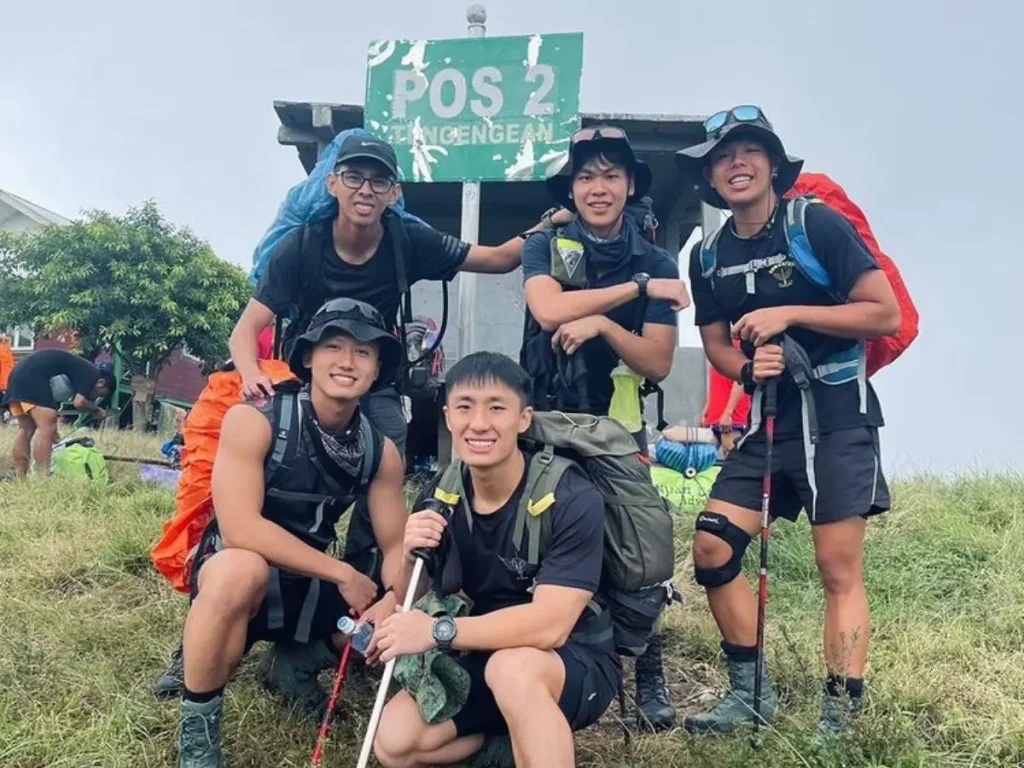
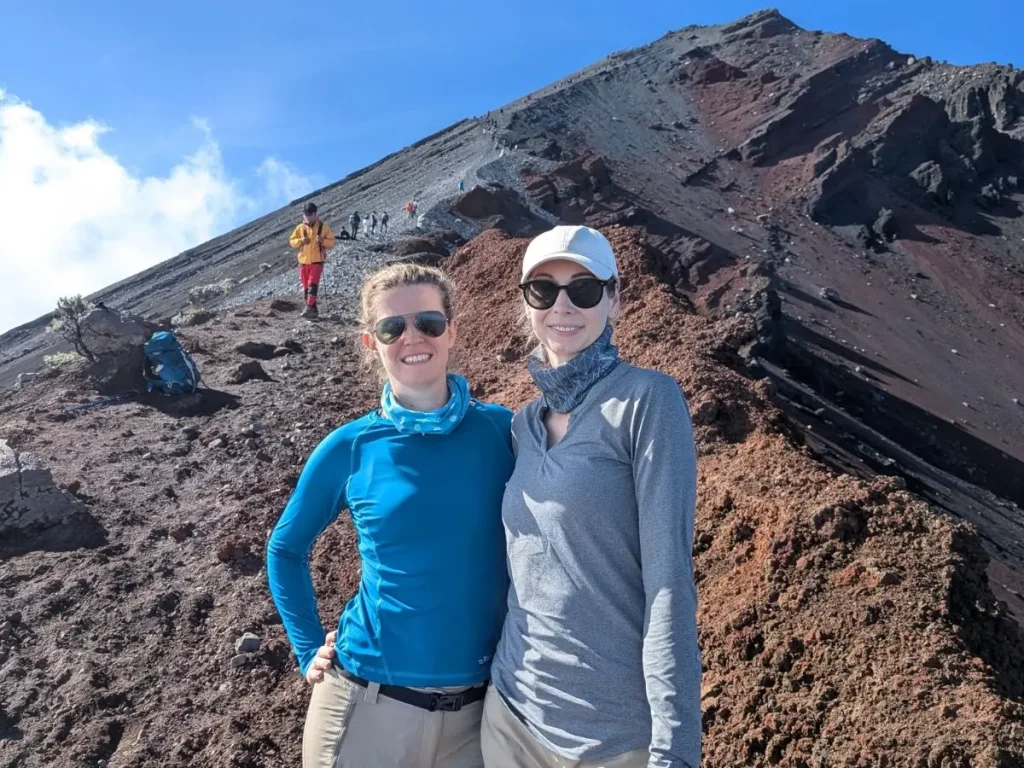
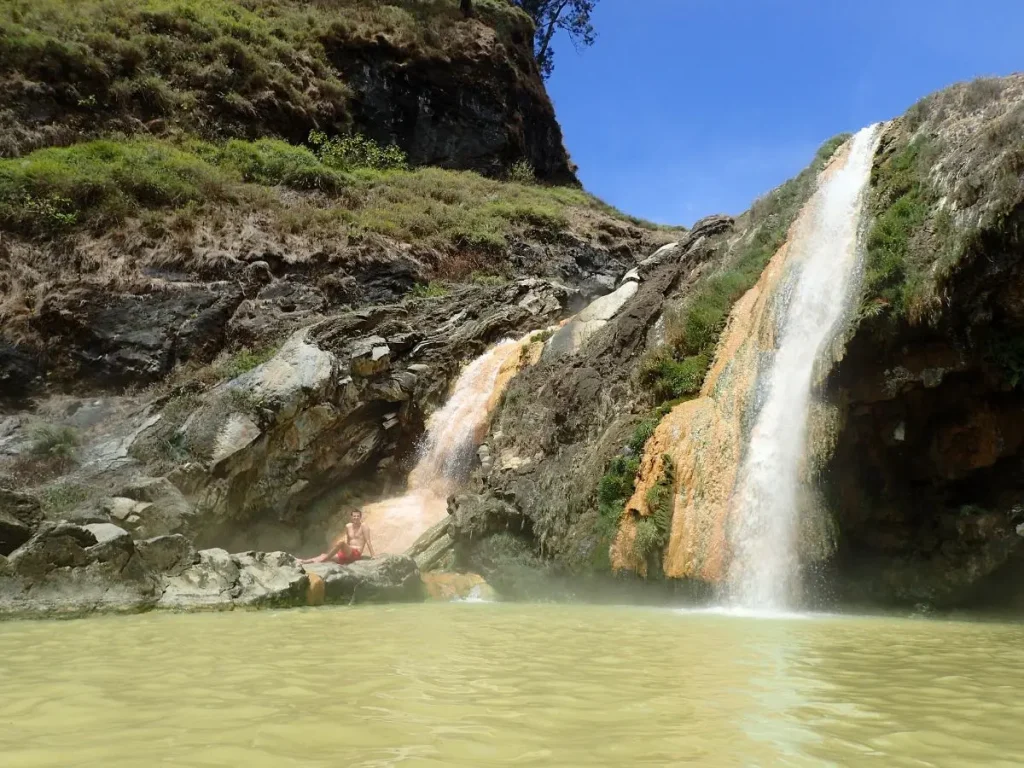
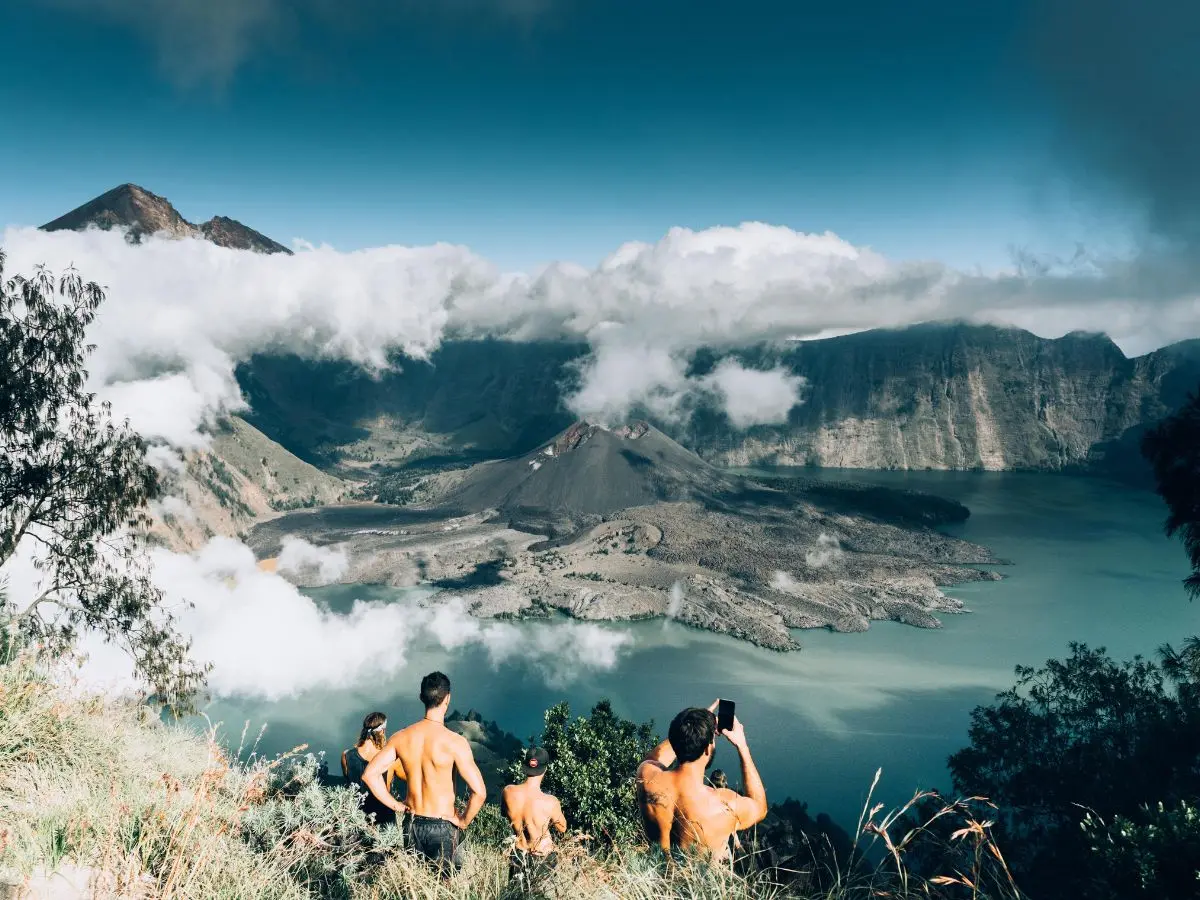
To help you understand how this route flows, here is a typical day-by-day breakdown:
Day 1: Sembalun Village to Sembalun Crater Rim
A steady ascent across open savannah, with wide views throughout the day. You reach Sembalun Crater Rim in the afternoon and camp overnight in preparation for the summit.
Day 2: Summit and Descent to Segara Anak Lake
An early start for the summit attempt, followed by a descent back to camp for breakfast.
You then continue down to Segara Anak Lake, where you stop for lunch, rest and visit the hot springs if time permits. You camp at the lake overnight.
Day 3: Segara Anak Lake to Senaru Crater Rim
A shorter trekking day, climbing up to Senaru Crater Rim at a more relaxed pace, allowing for recovery after the summit.
Day 4: Descent to Senaru Village
A steady descent through rainforest back to Senaru village.
Important note:
By spreading the trek across four days and camping at the lake, this itinerary avoids the very long and physically demanding Day 2 found in the 3 day version.
This creates a more balanced experience, particularly after the summit effort.
👉 This route may suit those who want to summit early but still maintain a comfortable pace across the rest of the trek.
👉 If you prefer a more progressive build towards the summit, the Senaru to Sembalun option is generally the better choice.
👉 As always, pacing and structure can be adjusted with your guide depending on your group’s ability and preferences.
Fitness and Experience Level for Mount Rinjani Treks

Mount Rinjani is achievable for most fit travellers, but it should not be underestimated.
The 2 day trek is best suited to experienced hikers with a strong level of fitness. The pace is fast, and summit day is long and physically demanding.
The 3 day trek is suitable for most people with a reasonable level of fitness. It still presents a challenge, especially on summit day, but the additional time makes it more manageable and far more enjoyable.
The 4 day trek is ideal if you prefer a slower pace or want to reduce physical strain. The extra day allows for shorter trekking periods, more rest and a more relaxed overall experience.
No matter which option you choose, preparation is key. Proper footwear, warm layers and a good understanding of what to expect will make a big difference.
👉 Read our Mount Rinjani Packing Guide 2026 to prepare properly.
Choosing the Right Rinjani Trek Based on Your Goals
Choosing the right trek is not just about time or fitness. It also depends on what you want to get out of the experience.
If your main goal is to reach the summit, the 2 day trek is the quickest and most direct option.
If you want the full Rinjani experience, including the summit, crater rim and Segara Anak Lake, the 3 day trek is the best choice for most travellers.
If your goal is to slow down and fully experience the landscape, the 4 day trek gives you the time to enjoy the lake, hot springs and surrounding scenery without feeling rushed.
Some travellers are less focused on the summit and more interested in the journey. If that sounds like you, choosing a longer trek will usually lead to a more rewarding experience.
👉 Take a moment to think about what matters most to you before deciding.
Alternatives to the Mount Rinjani Summit Trek
Not everyone visiting Mount Rinjani is looking to reach the summit — and that’s perfectly fine.
There are several incredible alternatives that allow you to experience the beauty of the mountain, without the intensity of a full summit trek.
Senaru Crater Rim Trek (2 Day / 1 Night)
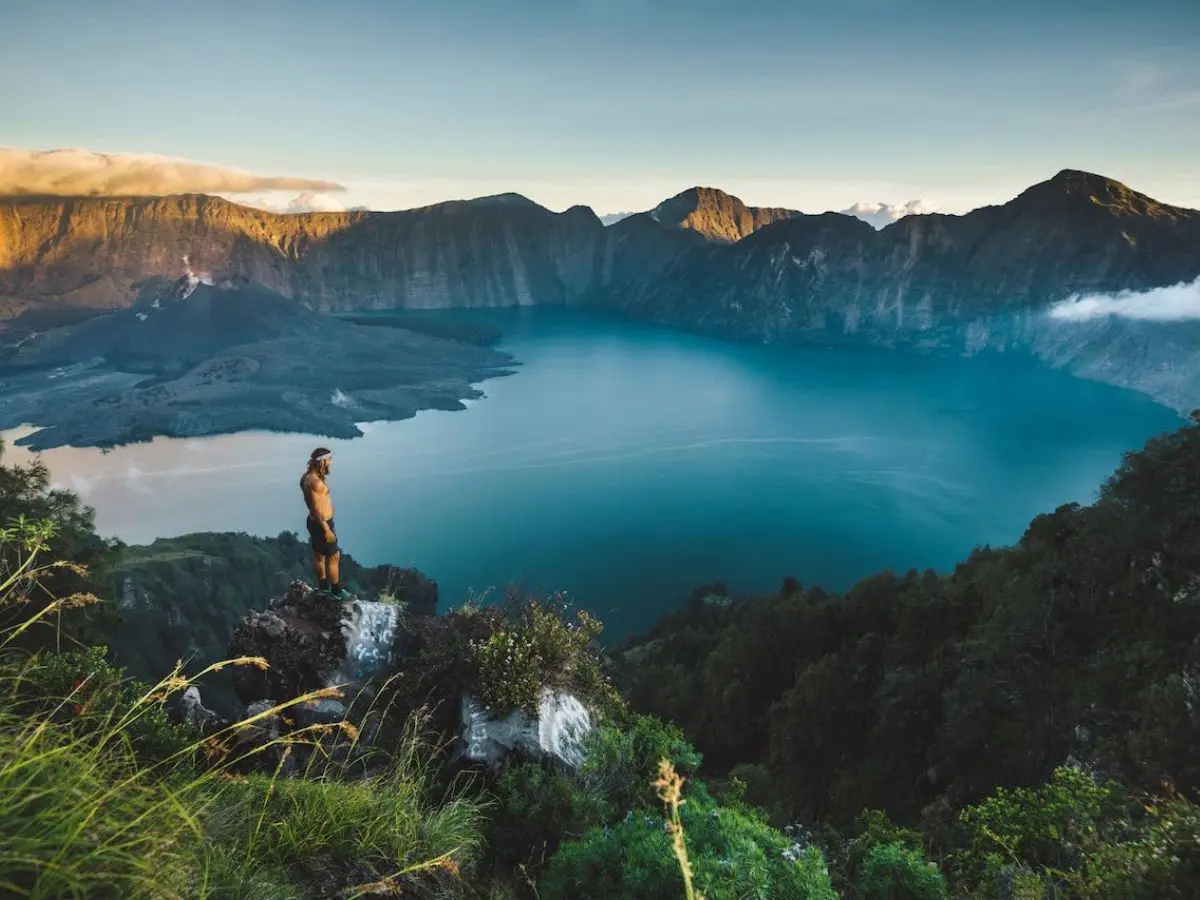
The Senaru Crater Rim Trek is one of the most popular alternatives to the full Mount Rinjani summit climb, offering spectacular views without the intensity of summit day.
This trek starts and finishes in Senaru, taking you through dense tropical rainforest before reaching the crater rim, where you camp overnight overlooking Segara Anak Lake.
What to expect:
- A challenging but achievable trek for most fit travellers
- Stunning views across the crater, lake and surrounding peaks
- A shorter duration (2 days / 1 night), making it ideal for those with limited time
- A rewarding mountain experience without the early-morning summit push
Compared to the full summit trek, this route removes the most physically demanding section, while still delivering the iconic Mount Rinjani landscape.
👉 This is an excellent option if you want a genuine Rinjani trekking experience, without committing to the full summit climb.
Mount Rinjani Second Summit Trek (Mount Sangkareang)
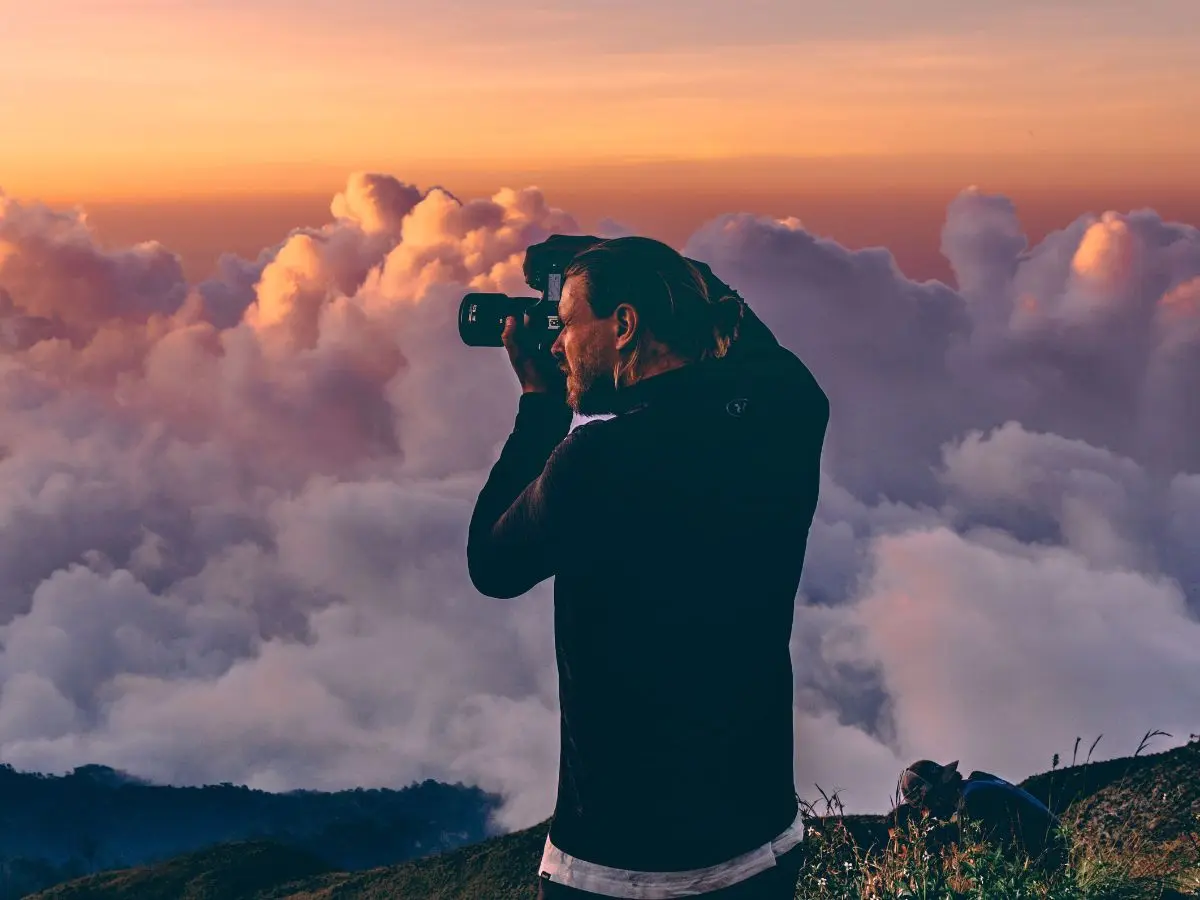
The Mount Rinjani Second Summit Trek takes you to Mount Sangkareang (also known as Rinjani’s Second Summit), offering a rewarding summit-style experience without the full commitment of the main Rinjani peak.
This trek starts and finishes in Senaru, following a similar route to the Senaru Crater Rim trek, but continuing higher to reach the second summit.
What to expect:
- A true summit experience with incredible panoramic views
- Less demanding than the main Rinjani summit, but still physically challenging
- A quieter and less crowded route
- A strong sense of achievement reaching the second summit
This trek can be completed as either a 2 day / 1 night or 3 day / 2 night package.
- The route is the same in both cases
- The difference is the pace, with the 3 day option allowing for more rest and a more relaxed experience
👉 A great option for those who want to reach a summit on Mount Rinjani, without the intensity of the full summit trek.
Waterfalls to Wilderness – Senaru Sightseeing & Crater Rim Trek
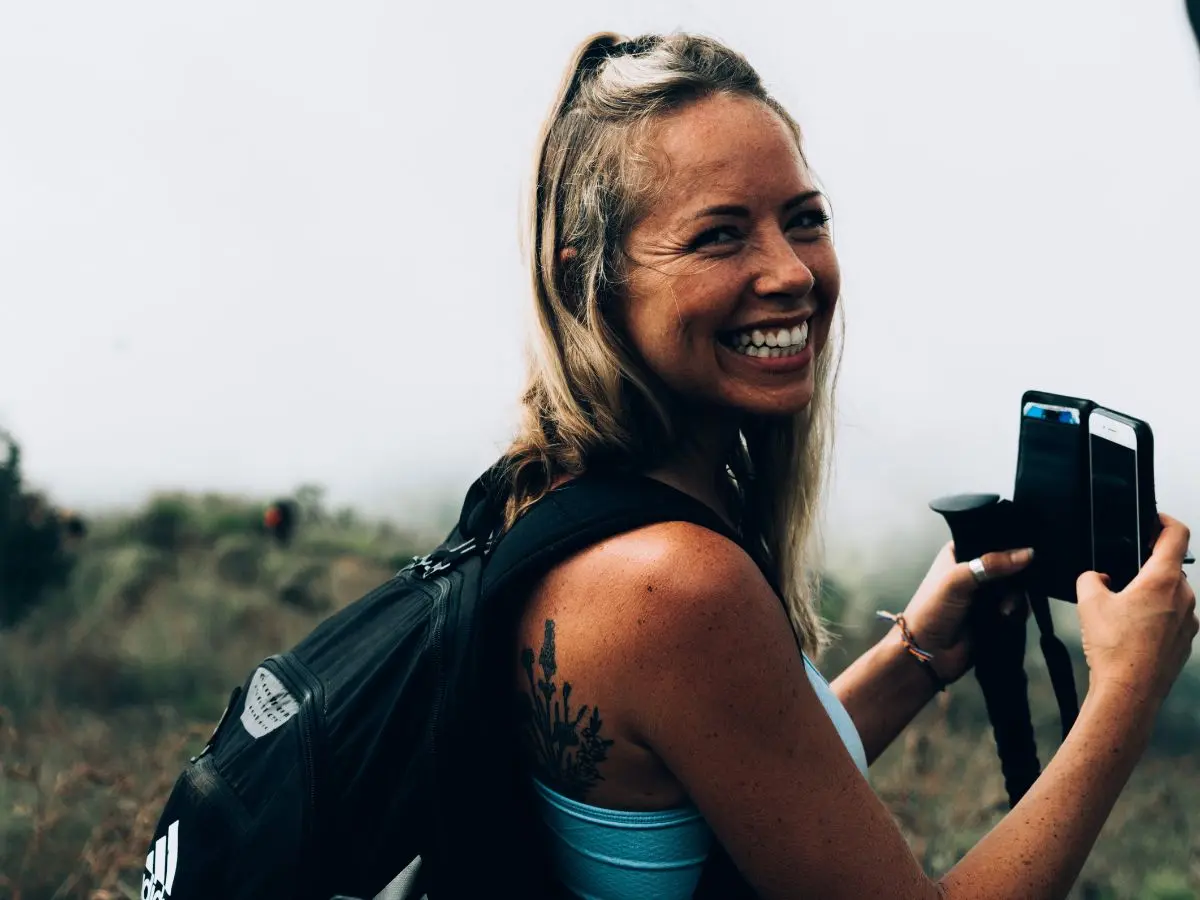
The Waterfalls to Wilderness package combines the best of Senaru’s natural beauty and cultural experiences with a Mount Rinjani trekking adventure.
Instead of heading straight into the mountains, you begin with a guided exploration of the Senaru region, before continuing on to the crater rim.
What to expect:
- Visit the iconic Sendang Gile and Tiu Kelep waterfalls
- Walk through traditional Sasak villages and learn about local culture
- Enjoy scenic rice fields and rainforest landscapes
- Relax with food and coffee at Cafe Rinjani Dawn before your trek
- Continue on to the Senaru Crater Rim for an overnight camping experience
This package offers a more varied and immersive experience, combining sightseeing, culture and trekking into one well-paced journey.
It’s especially popular with:
- Couples and small groups
- Travellers looking for a more relaxed experience
- Those who want more than just a trekking itinerary
- First-time visitors to Lombok
👉 If you’re looking to experience both the culture of Senaru and the beauty of Mount Rinjani in one trip, this is one of our most unique and rewarding options.
Mount Rinjani Trek Prices: What Should You Expect?
Price is a factor, but it should not be the main one when choosing which Rinjani trek is best for you.
Shorter treks are generally cheaper, as they involve fewer days on the mountain. However, they are also more physically demanding and offer a more limited experience.
Longer treks cost more due to additional permits, food, porter support and logistics. In return, you get a more comfortable pace and a more complete experience.
We also offer a few flexible options that can make a difference:
- Private treks for couples or small groups at no extra cost
- Generous discounts for group bookings
- Discounts for customers who arrange their own transport to and from our office in Senaru
For most travellers, the difference in price between a 2 day and 3 day trek is relatively small compared to the overall value of the experience.
👉 You can view a full breakdown of pricing and package options in the comparison table below.
Sustainability on Mount Rinjani
Mount Rinjani is part of the Rinjani-Lombok UNESCO Global Geopark, recognised for its unique geological features, biodiversity and cultural significance.
As a trekking operator, we believe it is our responsibility to help protect this environment and support the local communities who live here.
Our approach to sustainability applies to all Mount Rinjani trekking packages and is built around two key principles:
Leave No Trace
We operate a strict Leave No Trace policy on every trek. This means:
- All waste is carried off the mountain
- Campsites are left clean and undisturbed
- Our team actively minimises environmental impact throughout the trek
We also encourage all trekkers to be mindful of their footprint and follow responsible trekking practices at all times.
Supporting the Local Community – Sasak Warriors
Through our Sasak Warriors initiative, we actively support local communities in Senaru and surrounding villages.
This includes:
- Weekly food aid programs for families in need
- Supporting education and local initiatives
- Creating employment opportunities through trekking and tourism
By choosing to trek with us, you are directly contributing to these community projects.
👉 Sustainability is not an add-on to our tours. It is a core part of how we operate, across every trekking package we offer.
Mount Rinjani Trekking FAQs
Planning a Mount Rinjani trek often comes with a lot of questions, especially when comparing different routes, durations and difficulty levels. Below, we’ve answered some of the most common questions about Mount Rinjani trekking packages to help you make an informed decision and prepare for your trip.
Which Mount Rinjani trek is best for most people?
The 3 day 2 night Mount Rinjani trek is the best option for most people. It offers a balanced experience with enough time to reach the summit, explore the crater rim, visit Segara Anak Lake and enjoy the scenery without feeling rushed. It is suitable for reasonably fit trekkers and provides the most complete Rinjani experience.
How difficult is the Mount Rinjani trek?
Mount Rinjani trekking is considered moderately to highly challenging depending on the route and duration. The summit push is the most demanding section, with steep volcanic terrain and early morning conditions. A good level of fitness and preparation is recommended for all summit treks.
What is the difference between the 2, 3 and 4 day Rinjani treks?
The main differences are pace, recovery time and overall experience. The 2 day 1 night trek is fast and physically demanding, focused on reaching the summit quickly. The 3 day 2 night trek offers a more balanced experience with time to enjoy the crater rim and lake. The 4 day 3 night trek allows for a slower pace, more rest and a deeper exploration of the mountain.
Which route is better, Sembalun to Senaru or Senaru to Sembalun?
Both routes offer excellent experiences but differ in pacing. Sembalun to Senaru is popular for a faster ascent and reaching the summit earlier in the trek. Senaru to Sembalun is generally considered more gradual and comfortable, making it a good option for those who prefer a steadier pace.
Do I need experience to climb Mount Rinjani?
You do not need technical climbing experience, but a good level of fitness is essential. Previous hiking experience is highly recommended, especially for summit treks. Beginners may prefer shorter options such as the Senaru crater rim trek if they are unsure about attempting the summit.
How much does a Mount Rinjani trek cost?
Mount Rinjani trekking prices vary depending on the duration, route and level of service. Generally, longer treks cost more but offer better value due to a more complete experience. Prices usually include guides, porters, food, camping equipment and national park permits.
What should I pack for a Mount Rinjani trek?
For a Mount Rinjani trek, you should pack warm clothing, a waterproof jacket, proper hiking shoes, gloves, a head torch for the summit push, and personal essentials such as sunscreen and toiletries. Temperatures at the crater rim can be cold, especially overnight. Most trekking packages include camping equipment and food, so you only need to carry a small daypack with your personal items. We also provide all customers with a detailed packing list before the trek to help you prepare properly.